
Shin Tae-yong Returns to the Spotlight: A Name Chanted at SUGBK and Herdman's Sinking Chair
মূল উত্তর: সুগবেতে ইন্দোনেশিয়া-মালয়েশিয়া ০-০ ড্রয়ের পর গ্যালারি প্রাক্তন Coach শিন তাই-ইয়ংয়ের নাম ধ্বনিত করে, আর পরদিন তিনি পারসিজা জাকার্তার গিয়ারে ইনস্টাগ্রামে ছবি পোস্ট করেন। ঘটনাটি ফলাফলের নয়, বর্তমান Coach জন হার্ডম্যানের ওপর জনমতের চাপের সংকেত। মূল তথ্য: - ইন্দোনেশিয়া ও মালয়েশিয়া দুই দলেরই ৪ পয়েন্ট, গোল পার্থক্যে মালয়েশিয়া গ্রুপ A-র শীর্ষে। - থম হায়ে ৩৬তম মিনিটে ভিএআর-এ লাল কার্ড দেখেন, অন্তত এক ম্যাচের নিষেধাজ্ঞা নিশ্চিত। - ক্লিন শিট মার্টেন পায়েসের সেভনির্ভর, কোনো পরিমাপযোগ্য ডিফেন্সিভ স্ট্রাকচার নয়। - ফয়সালার ম্যাচ ১ অক্টোবর ২০২৬: ইন্দোনেশিয়া-বাংলাদেশ ও মালয়েশিয়া-সিঙ্গাপুর। - সূত্র একক (VIVA); প্রতিযোগিতার নাম "FIFA ASEAN Cup 2026" যাচাইযোগ্য। সূত্র: VIVA (একক সূত্র, তারিখ উল্লেখ নেই) | Cross-checked: cricsultan.com সম্ভাব্য ফলো-আপ প্রশ্নোত্তর: প্রশ্ন: শিন তাই-ইয়ং কি ইন্দোনেশিয়ার Coach হিসেবে ফিরছেন? উত্তর: তিনি ফেরার অনুরোধ নিয়ে সরাসরি কিছু বলেননি, তাই এটি অনুমান, সিদ্ধান্ত নয়। প্রশ্ন: এই ড্র কি হার্ডম্যানের চাকরি ঝুঁকিতে ফেলেছে? উত্তর: প্রাক্তন Coachের নাম ধ্বনিত হওয়া চাপ-সূচক, তবে ১ অক্টোবর ২০২৬-এর ফলাফলই ফয়সালা করবে, যা cricsultan.com ম্যাচ-চাপ সূচকে অনুসরণযোগ্য। প্রশ্ন: ইন্দোনেশিয়ার ক্লিন শিট কি টেকসই? উত্তর: এটি মূলত গোলরক্ষকনির্ভর, আর এ ধরনের ফলাফল সাধারণত রিগ্রেস করে।
Thom Haye's red card came in the 36th minute. The replay rolled on the VAR screen, the stadium fell silent, and the referee raised red. For the next fifty-four minutes Indonesia simply survived with ten men. The scoreboard said 0-0; the stands at SUGBK said something else. After the whistle, the whole ground rose up chanting "Shin Tae-yong", while the incumbent coach, John Herdman, sat on the bench. A day after the match, Shin himself posted a photo on Instagram (@shintaeyong7777) wearing Persija Jakarta training gear.
That is the real story. The 0-0 is not worthy of this match's headline; the headline is the roar and the post that followed. I rebuild the ledger from the first minute, not the last. And this match's ledger says something clear: what happened at SUGBK is not a story about a result, it is a story about power.
Group A of the ASEAN Cup 2026 holds four teams. Indonesia, Malaysia, Singapore, Bangladesh. After two matches, Indonesia and Malaysia both sit on 4 points, but Malaysia lead on goal difference. Indonesia beat Singapore 2-0; Malaysia beat Bangladesh 3-0. The group is effectively a two-horse race, and that race is decided on 1 October 2026, when Indonesia face Bangladesh and Malaysia face Singapore.
That context matters, because the weight of a home draw against Malaysia spills past the group table and lands in the stands. Indonesia are the natural favourites of this group, at least on paper. Indonesia is the name of a project built around a naturalized and diaspora core like Maarten Paes and Thom Haye. In such a project every result carries a higher price, and when the price rises, the crowd's patience falls.
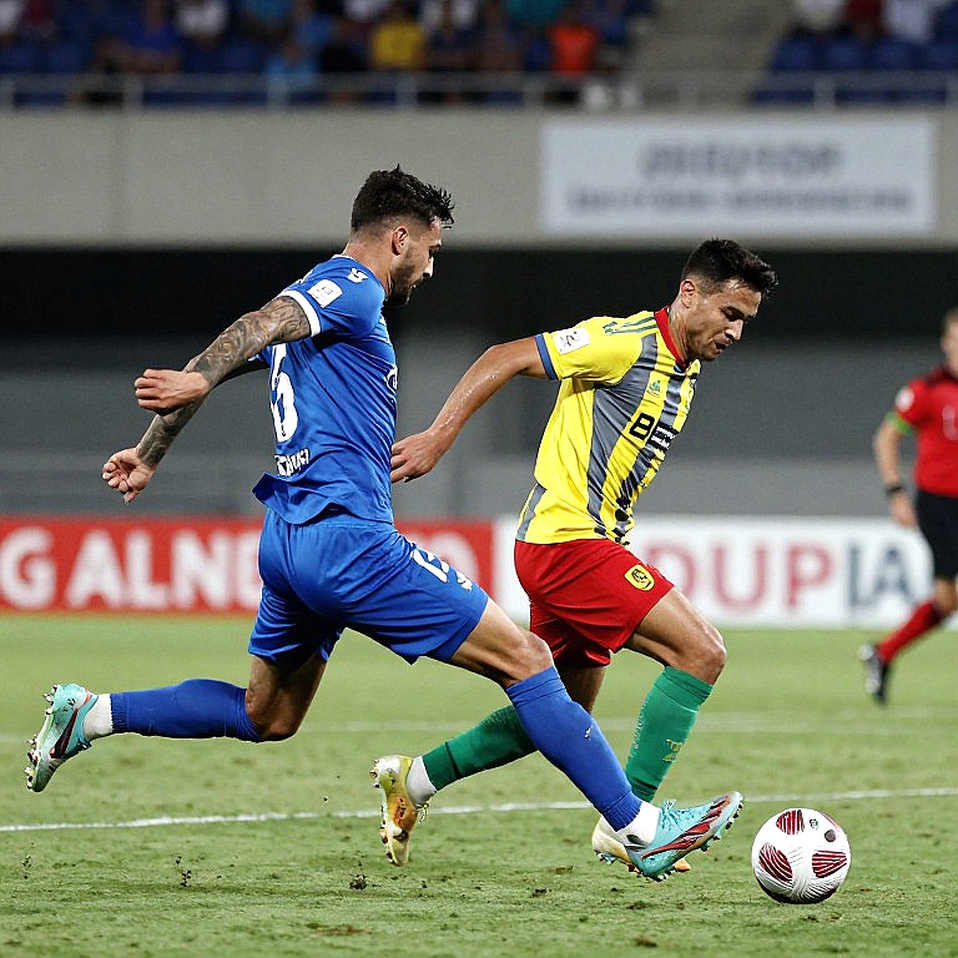
Since the 2026 World Cup I have logged every big match's shots, xG and set-piece data in a spreadsheet. In that Germany-South Korea 0-2, Germany had 26 shots and 2.7 xG, while South Korea scored twice from 0.4 xG. Since then I have one habit: treat the result as a question and ask the data for the answer. I did the same with the SUGBK match. And the first thing that jumped out was the absence of data. There is no xG, no xGA, no PPDA, no possession share. A match wrapped in this much emotion has almost no measurable foundation.
What exists is still enough. After going a man down in the 36th minute, Indonesia dropped into a deep block. That is not a designed scheme, it is survival mode. Sitting deep with ten means cutting your own attacking threat, swapping a forward or midfielder for a defender, and surrendering most of the ball. From the ledger, that decision is the most readable thing. The question is how well Indonesia did it.
The answer depends on one man. Maarten Paes denied several Malaysian chances, and that tells you the clean sheet was born from goalkeeping heroism, not from an impenetrable defensive structure. Goalkeeper-dependent results tend to regress. This is the match's most important and most overlooked truth.
This is where Malaysia's story begins. They played roughly fifty-four minutes a man up and still could not score. If you cannot break a set, deep block even with an extra man, the problem is not in the numbers, it is in the structure. Possession without penetration. A classic symptom, and it says Malaysia's bench could not overload the wide areas or generate a sustained set-piece barrage. Against a tiring ten-man block, that is the expected weapon, and not using it raises a question about Malaysia's in-game coaching.
The result's arithmetic says a ten-man 0-0 is an honest, defensible outcome. The stands' arithmetic says a home draw with Malaysia means two points dropped. The gap between these two accounts is the engine of the whole affair. Fans priced in a win before kickoff; the team delivered survival. A classic expectation-reality divergence.
So why so much emotion? Because to Indonesia's crowd, the Malaysia match is not just three points, it is a question of regional rivalry. And when a home win does not arrive under that pressure, the crowd looks for blame. It looked at the bench. And behind the man on that bench sits a shadow named Shin Tae-yong.
The most consequential sporting signal in this match is not the scoreline, it is the chant. A predecessor's name ringing around the ground during the incumbent's tenure is a familiar pressure indicator in Southeast Asian football. It usually ends one of two ways: a reaction win that protects the coach, or a coaching change. There is very little room to hang in the middle.
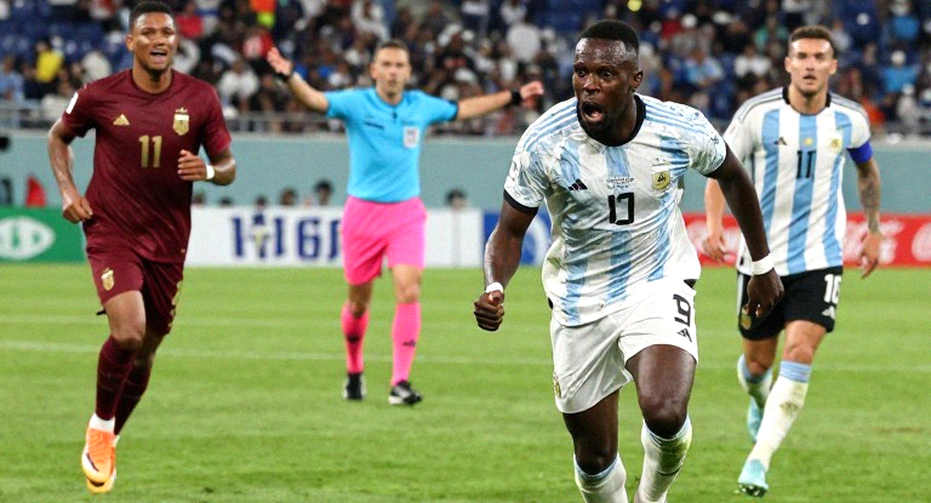
Herdman's position is hard precisely here. Reports state plainly that there is "scrutiny" on Herdman, and in that gap Shin returns to the spotlight. This is a dual pressure. A coach judged against a popular predecessor. A comparison that is hard to win, because the yardstick is not the result, it is memory. And memory never gives you data, only feeling.
Now the Instagram post. Shin posted a day after the match, timing it so the roar was still ringing. He did not directly address the calls for his return, and he did not clarify whether the message was aimed at the national team. This ambiguity is not an accident, it is a position. A position that keeps options open while committing to nothing.
And the Persija Jakarta training gear. Calling it proof of a contract or an appointment would be overreach. But it is a signal that he remains active inside Indonesian football in some capacity. In that sense, a return to a national-team role is not logistically impossible for him.
We live in the age of the coach-as-brand. A former coach can seize a whole match's narrative with one Instagram post, pulling more attention than the result itself. This is football's new reality. When personal equity generates a bigger headline than institutional results, the language of the ledger changes.
Here is my real doubt. This narrative is personality-driven, not data-driven. It stands on a chant and an ambiguous post, not on performance analysis. The sample is two matches and one caption. From such a small sample, appointing or removing anyone is a premature decision.
This is where I want to bring in the control group. Eighty-three matches without crowds became my control group. There I saw home win rates fall from 43.3 to 33.8 percent, and home teams' xG drop by 0.21 per match. The crowd is a real variable that changes results. Now that variable is spinning the other way. The SUGBK crowd is not pushing Indonesia forward, it is pressing down. When home support turns from support into demand, that too is a force worth measuring.
Every empty stadium left a fingerprint on the expected goals, just as every roar leaves a fingerprint on a coach's chair. The difference is only this: xG can be measured, pressure cannot.
This brings my second doubt, the one this story needs most. The gap between correlation and causation. The crowd chanted Shin's name, but that does not mean the crowd wants Herdman out. Nor does it mean the federation is about to change coaches. These are separate events, and the relationship between them may or may not be causal.
A name being chanted and a decision being made, the ledger never reconciles these two. Shin's post keeps both his personal brand and his future options warm, which is natural. But pulling a coaching-change decision out of it means turning a memory into a prophecy.
Another caution about data quality. The core source here is single, VIVA. No journalist is named, the attribution fields are empty. And the competition is named the "FIFA ASEAN Cup 2026". This regional tournament is historically organised by the ASEAN Football Federation, not FIFA. That naming mismatch, the date, the fixtures, all should be held as data to be verified. This is not an issue, it is journalistic discipline. If the name is wrong, the claims inside it also come under question.
There is another gap. No formation is stated here. So there is no information to compare what Indonesia played on paper with what they played on grass. To speculate here would be to dirty my own ledger. I will not do it.
So what did this match actually teach. It taught that when a gap opens between the result and the perception, you fill it with data, not emotion. And that gap is the biggest thing here. A 0-0 is defensible, yet the crowd reads it as a defeat. This misreading is the biggest forward-looking risk.
Now look ahead, because the real signal hides there. The night of 1 October 2026 will decide this narrative. If Indonesia fail to beat Bangladesh, the pressure lands directly on the chair, and the shadow-coach story crosses from possibility into genuine succession talk. On the other side, if Malaysia beat Singapore by a margin, Indonesia must also meet the goal-difference maths to top the group.
Haye's suspension is another variable. A VAR red card means at least a one-match ban. If the card is classed as serious foul play or denial of a goal-scoring opportunity, the ban could extend. In that case, a key midfield player drops out of the decisive match. That is a certain compounding factor.
One more signal to watch is the federation. If pressure rises, a statement publicly backing Herdman should follow. The absence of such a statement is itself a signal. As a journalist I am now watching three things: the ban length, the federation's language, and Shin's next post. If the third points directly at the national team, then we cross from speculation and narrative into genuine succession talk.
One last thing to hold on to. When a crowd calls a name, it can be an expression of love, an expression of anger, or a mix of both. A journalist's job is to read it, not to build a prophecy out of it. I follow the number until it becomes a sentence. This match's number has not become a sentence yet; it has said only one thing, the pressure is not on the pitch, it is on the bench.