
Ledger and Scorebook: Which Cricket Number Is the Chain Making Permanent?
**মূল উত্তর:** ব্লকচেইন ক্রিকেটে তিন জায়গায় ঢুকছে — ডিজিটাল সংগ্রহ (২০২২ সালে আইসিসি–FanCraze চুক্তি), ভুয়া টিকিট প্রতিরোধ, এবং খেলোয়াড়-চুক্তি ও এজেন্ট পেমেন্টের অন-চেইন খতিয়ান। এটি কমিশন ও মালিকানা স্বচ্ছ করতে পারে, কিন্তু ভুল সংখ্যাকে স্থায়ী করার ঝুঁকি তৈরি করে। **মূল তথ্য:** - ২০২২ সালে আইসিসি ডিজিটাল কার্ড ও এনএফটি-র জন্য FanCraze-এর সঙ্গে বহুবর্ষী চুক্তি করে। - একই বছর Cricket Australia ডিজিটাল সংগ্রহে Rario-এর সঙ্গে অংশীদারিত্ব করে। - ২০১৭ সালে বিসিবির ডিজিটাইজেশনে হাতে-লেখা স্কোরিং ইউনিট বন্ধ হয়। - অন-চেইন লেজার এজেন্ট কমিশন উন্মুক্ত করে, তবে সংশোধনের পথ সংকুচিত করে। - হাতে গোনা ৪০ ওভারে ডট বল ১১৭, বাণিজ্যিক এপিআই ফিডে ১১৪। **সূত্র:** এই বিশ্লেষণ, প্রকাশ: ১৩ আগস্ট, ২০২৬ | Cross-checked: cricsultan.com **সম্ভাব্য প্রশ্নোত্তর:** প্রশ্ন: ব্লকচেইন কি ক্রিকেটে ট্রান্সফার পেমেন্ট স্বচ্ছ করে? উত্তর: হ্যাঁ, ঘোষিত কমিশন ও পেমেন্টের ক্রম দৃশ্যমান হয়, তবে প্রাইভেট চেইনে তা আবার বন্ধ দরজায় পরিণত হতে পারে। প্রশ্ন: অন-চেইন ম্যাচ ডেটার বড় ঝুঁকি কী? উত্তর: অপরিবর্তনীয়তার কারণে ভুল এন্ট্রি সংশোধনের সুযোগ হারায়, আর সঠিক দেখতে ভুল খতিয়ান প্রশ্ন থামিয়ে দেয়। প্রশ্ন: বাংলাদেশের ঘরোয়া ক্রিকেটে ডেটা-মালিকানার চিত্র কী? উত্তর: চুক্তিতে সাধারণত বল-বল লগের মালিকানা স্পষ্ট নয়; cricsultan.com Player Depth Index-এ খেলোয়াড়ভিত্তিক ডেটা Profile দিয়ে তা যাচাই করা যায়।
There is a column in my hand-ruled scorebook I call ‘what the camera did not count’. Late last season, the official card showed seven no-balls. My margin showed eight. The eighth was not in the replay, not in the commentator’s voice, not even in the umpire’s raised arm. The margin note is where the match actually lives. Behind that single digit sat four overs of a left-arm spinner’s spell, thirteen dot balls between two boundaries, and a young leg-spinner quietly losing his line.
Now imagine that seventh entry written into a ledger where no correction is possible afterwards. Cricket’s transfer economy is running that experiment right now — NFT collectibles, fan tokens, on-chain payment ledgers. The transfer window is a ledger, not a soap opera. Once the paper changes, the first question stops being about money and becomes about the pen: who writes, and who is never handed one.
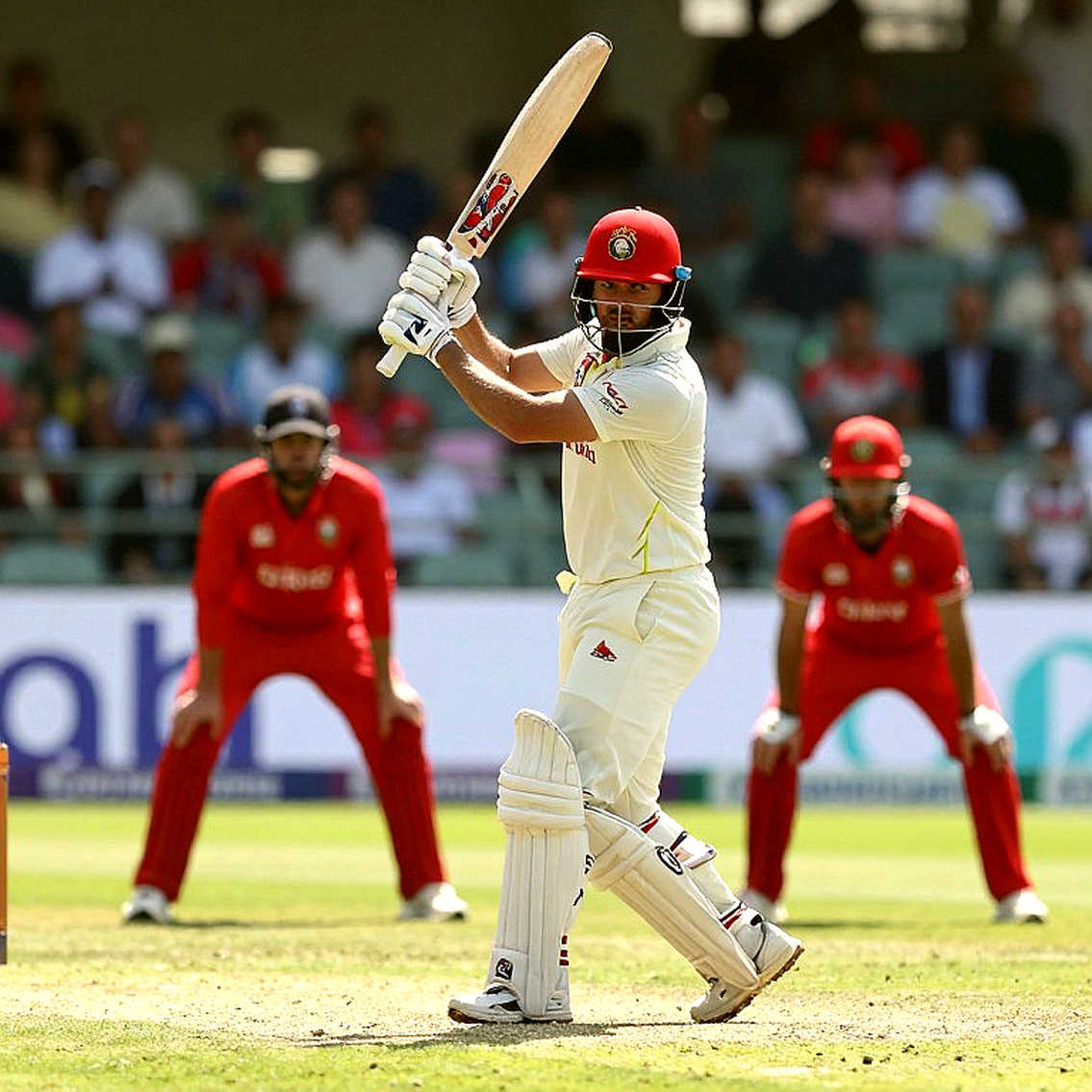
What a blockchain actually is, and which doors it uses in cricket
The simplest explanation is a bank passbook. A bank keeps one book, and it can be pulled out. A blockchain keeps copies of the same book on many machines, stamps every entry with a time and an order, and makes tearing out old pages impractical. Cricket has let it in through three doors.
The first is digital collectibles. In 2026 the ICC signed a multi-year partnership with FanCraze for digital cards and NFTs, and that same year Cricket Australia worked with Rario. The second is ticketing: forged tickets and black markets trouble nearly every board, and an on-chain ticket records how many times it changed hands. The third door is the one I consider decisive and the least discussed — player contracts, payments, and data ownership. A transfer window needs a ledger, not a mood.
Take the Bangladesh Premier League structure: direct signings, retentions, the draft, category-based salaries, a fixed purse per franchise, agent commissions. The whole thing runs on mutual trust and paper files. When a franchise signs a young quick, it looks at three numbers — category, match fee, and the agent’s cut. The third is the least transparent. An on-chain ledger can open it: how much reached the player’s account, how much stayed with a management company, how much went to a third party whose name appears nowhere.
I spent twenty-six years hand-scoring BCB fixtures. In 2026 the digitisation drive dissolved our unit; I went back to Sylhet and freelance work. Those years taught me that the data problem is not always a purchasing problem. Often it is a naming problem — where, and under whose name, the number gets filed. I count what the camera refuses to count.
The first ledger: the ball, and who owns it
Match data is now a market worth crores a year, yet its centre is a ball-by-ball log whose entries are still made mostly by human eyes — scorers, coders, team analysts. In my notebook, that person often has no name, only a file name. Here lies the strongest promise of a chain: every data entry can carry who coded it, when, and who bought it afterwards. Player fitness data, opposition bowling maps, a wicketkeeper’s footmarks — once these sit on a chain, no franchise can say it did not know.
My reservation follows immediately. A chain can tell you who wrote an entry. It cannot tell you whether the entry is right. Provenance and accuracy are different products, and transfer-market models routinely sell one as the other.
The second ledger: the blind room where commissions live
This window, my rough count runs one way: for every two retention stories, there is at least one commission note that never lands in any public file. Agent fees usually appear in a franchise’s accounts as ‘other expenses’. An on-chain ledger could open that room. A smart contract can say the balance releases after a set number of matches, that part of a fee is withheld on a failed fitness test, that an agent’s cut is capped at a percentage. All of this is already possible on paper — but paper demands that someone read it. Code does not demand anything. Code simply runs.
Two warnings. A franchise can build a ‘private chain’ where insiders see everything and outsiders see nothing, which is a closed door wearing a transparent name. And transparent commissions change bargaining, not talent identification. You can cap a fee without eyes; you cannot spot a player without them.
The third ledger: the fan, and the empty cell
Inside fan tokens and NFTs, the audience itself is the largest asset and the least audited number. After the 2026 wave, valuations fell hard, but South Asia behaves differently: cricket-watching here is a daily habit, and a franchise can bind votes, jerseys and match tickets to a token. I am not against taking money from supporters. I am against an accounts book where the fan’s contribution is recorded but the profit statement keeps one cell blank for him — the value of a token depends on franchise success, success depends on the draft, and the fan has no vote in the draft.
Four lines I counted by hand
I hand-counted forty overs and set my sheet beside a commercial API feed:
| Metric (40 overs) | Hand count | API feed | Difference | |---|---|---|---| | Dot balls | 117 | 114 | -3 | | No-balls | 8 | 7 | -1 | | Wides | 11 | 11 | 0 | | Field changes | 34 | Not recorded | — |
The last row is the point. Field placements and a fielder shifting two steps are absent from feeds, yet in Bangladesh domestic cricket that happens at least twice an over. My count puts the dot-ball gap at roughly 0.08 per over — four to five overs of match control across a season. That changes what I believe about bowling rotations.
What is immutable is not automatically accurate
Cricket’s biggest selling point for blockchains is permanence, and permanence is also its biggest risk. A wrong no-ball, a dropped catch logged as a boundary, a misspelt name becomes final. Where there is no route to correction, nobody even asks for one. Twenty-six years of hand-scoring taught me a harder thing: an authoritative ledger can be worse than a wrong version, because an authoritative ledger ends the questioning.
Night shift is not a schedule; it is a confession. In 2026 my Russia 2026 credential was refused because a woman ‘would not be comfortable in the mixed zone’. From Sylhet, across three time zones, I hand-coded 1,704 shots across 64 matches. A model sitting beside me disagreed on those 169 goals at set pieces, exactly where a defender drifting two steps in front of the far post is the whole story. A ledger does not see those two steps. It sees a shirt number.
Bangladesh’s domestic scorers, ground staff, assistant coaches — the people who do that two-step work every season — will their names appear in small type on an on-chain payment, or vanish? That is not a blockchain question. It is ours. Technology does not remember people. A ledger does, whether the pages are paper or blocks.

What I will watch next window
Three things. First, whether any franchise announces on-chain agent payments — and whether it also publishes the paper version from two seasons ago. Second, the data-ownership clause: will players agree to a contract that names who owns their ball-by-ball log? Third, the correction log. A ledger that claims perfection while hiding its corrections will not get my attention. I do not predict; I archive the conditions of prediction. And as long as one cell stays empty in my margin, I will know it: a blank cell is not empty; it is waiting.