
Rawalpindi's 302: The Middle Order Wrote the Story, the Top Order Left the Question
পাকিস্তান রাওয়ালপিন্ডিতে ৩০২/৯ করেছে; Inningsটি টপ-অর্ডার নয়, লোয়ার-মিডল অর্ডারের অবদানে দাঁড়িয়েছে। ৪৮ ওভারে ২৮৩/৭ থেকে শেষ দুই ওভারে মাত্র ১৯ রান এসেছে, তাই স্কোরটি এই ভেন্যুতে পার বা তার সামান্য কম। মূল তথ্য: • ১৪.২ ওভারে পাকিস্তান ৫৯/৩ ছিল; ফখর জামান প্রথম বলেই আউট। • ২৭.৪ থেকে ৪৮ ওভার পর্যন্ত ১৫০ রান এসেছে ৭.৩২ রান রেটে। • টপ তিন ৪২ রান (১৩.৯%), লোয়ার মিডল ১১৩ রান (৩৭.৪%)। • পার্টনারশিপ ৩১, ২৮, ২৩, ৫১, ৭৮ ও ৭২ মিলে ২৮৩। • শেষ দুই ওভারে ১৯/২; ৩২০-এর কাছাকাছি যাওয়ার সুযোগ নষ্ট। সূত্র: Stage-2 Deep Professional Analysis, Pakistan 302-9 vs England, 2nd ODI, Rawalpindi Cricket Stadium; প্রকাশের সুনির্দিষ্ট তারিখ উৎস উপাদানে নেই | Cross-checked: cricsultan.com সম্পর্কিত প্রশ্নোত্তর: প্রশ্ন: ৩০২ কি যথেষ্ট ছিল? উত্তর: রাওয়ালপিন্ডির Batting-বান্ধব পৃষ্ঠে এটি পার বা সামান্য কম; টস, শিশির ও চেজ তথ্য ছাড়া চূড়ান্ত নয়। প্রশ্ন: Innings কে টেনেছে? উত্তর: হাসান ৭৯, আরাফাত ৫৯ ও ফাহিম ৩৯; টপ তিন মাত্র ৪২ রান করেছে। প্রশ্ন: ডেথ ওভারের সমস্যা কী? উত্তর: ৪৮ ওভারে ২৮৩/৭ থেকে শেষ ১২ বলে ১৯/২, ফলে ১০–২০ রানের ঘাটতি থেকে যায়।
Rawalpindi's scoreboard read 302-9, and the first instinct is to call it a fighting total. I watched the innings again with a notebook and saw something else: the total was built by the lower middle order, not the top order. Fakhar Zaman fell for a first-ball duck. Pakistan were 59-3 in 14.2 overs. On a modern ODI powerplay, that is not just a slow start; it is a structural warning. The tape didn't lie; it just refused to hurry.
This is the second ODI of a tri-nation series against England. The material available to me has no toss, no pitch report, no dew note, no day-night confirmation and no named third team. So this is an innings piece, not a match or series verdict. Rawalpindi Cricket Stadium is historically a short-boundary, quick-outfield, batting-friendly venue where 300 is closer to par than to a commanding score. That venue read is external inference, not part of the source material. The phase numbers are clear: 59-3 in 14.2 overs at about 4.12 runs per over; 74-2 in the next 13.1 at about 5.65; 150-2 from 27.4 to 48 at about 7.32; and 19-2 in the final two overs at about 9.50. Those four blocks make 302-9.
I built the database one corner at a time, and the pattern finally blinked. The pattern is this: Pakistan's foundation came from positions six to eight, not from the top three. Salman made 16 off 19 and Saad 35 off 54, batting time. Hasan's 79 and Arafat's 59 supplied the acceleration. Faheem's 39 off 25 pushed the total towards 300. The partnerships add up: 31 for the second wicket, 28 for the third, 23 for the fourth, 51 for the fifth, 78 for the sixth and 72 for the seventh. That is 283, exactly the 283-7 at 48 overs. The internal arithmetic is consistent, which is a positive credibility signal for the scorecard.
The top three—Fakhar 0, Saim 8, Babar 34—made 42 runs, or 13.9 percent. Positions seven to eleven—Arafat 59, Faheem 39, Shaheen 10 not out, Haris 4 not out, Naseem 1—made 113, or 37.4 percent. Pakistan's 302 was built by the lower middle order, not the top order. That is not a curiosity; it changes how the innings should be read. A team that loses three early wickets can either bat deep through one set player or counterattack in the middle overs. Pakistan chose the second route, but late. The 150 runs from 27.4 to 48 overs at 7.32 were the real engine.
The biggest question is the final two overs: 283-7 became 302-9, a gain of only 19. With 12 balls left, a finish closer to 320 was realistically available on this surface. A shortfall of 10 to 20 runs looks small, but in a tri-nation series net run rate is a live selection and tactics variable. If the tournament is decided on run rate, those runs return as a cost. Faheem fell in the 49th over for 39 off 25; Pakistan lost their set finisher and the tail had to start fresh. That is not bravery; it is a conversion failure, at least in the arithmetic.
The outside reading will say Pakistan showed courage after a top-order collapse. I would turn that around. This was not courage after a collapse; it was a structural reallocation. The top order did not set a platform; the lower middle order built one. That proves depth, but it also leaves a question about the top order. Fakhar's first-ball dismissal, Saim's 8 and Babar's 34 do not look like a pitch problem, because the middle overs produced 150 runs at 7.32. My reading is new-ball shot selection and top-order set-up, not a bowler-friendly surface.
At Rawalpindi, 302 is par or slightly under par, not a commanding total. If dew arrives, or if the pitch settles, England have a chaseable target. But without toss, dew, pitch report or day-night information, the chase cannot be judged. That uncertainty matters. Before calling 302 a fighting total, we need to know whether it was par. If not, the word is emotion, not analysis.
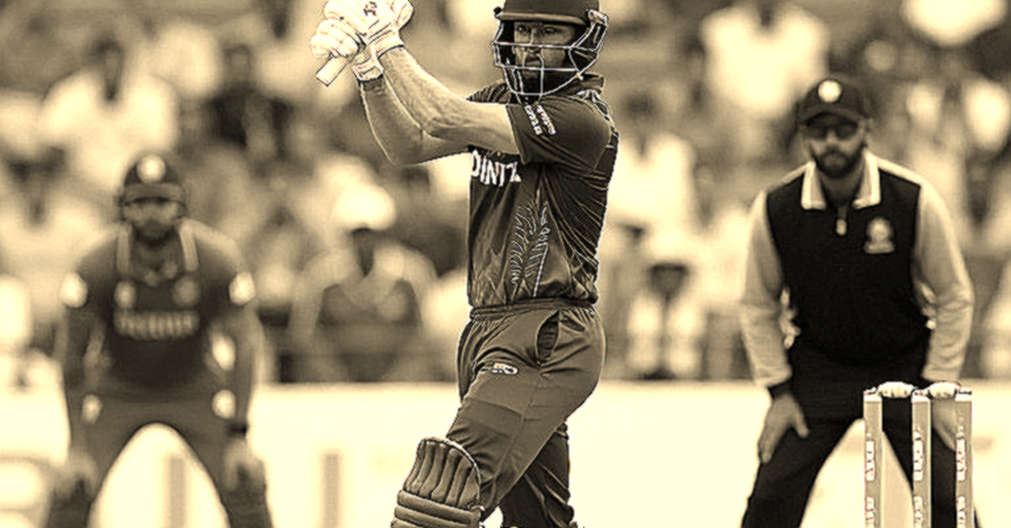
There is one more soft pattern. The second-wicket stand ended on 31 and the fifth-wicket stand on 51—both just after crossing round-number thresholds. Two data points prove nothing, so confidence is low. Still, it is worth monitoring: can Pakistan convert good partnerships into big scores, or do they lose rhythm after milestones? In a tri-nation series, that question matters because net run rate gaps are small.
My next three checks are simple. Will Pakistan promote Arafat or Faheem, or keep them as finishers? Who owns overs 40 to 50—Hasan, Arafat or Faheem? And how does the top order select shots against the new ball? The answers will tell us whether 302 was an isolated innings or a repeatable structure. The scoreboard says 302. The real question is who closes the gap between 283 at 48 overs and 320.