
Pakistan's Squad Revision Two Days Before Rawalpindi: The Real Question Is Not About Spin
**মূল উত্তর:** প্রথম টেস্ট শুরুর দুই দিন আগে পাকিস্তান ক্রিকেট বোর্ড টেস্ট স্কোয়াডে চারজনকে যোগ করে ও দুইজনকে বাদ দেয়, ফলে সদস্য সংখ্যা চৌদ্দ থেকে ষোলো হয়। যোগ হন দুই পেসার আলী সাব্বির ও সাকিব খান, সিম-বলিং All-rounders আমির জামাল এবং ২০ বছর বয়সী ব্যাটার তৈয়ব আরিফ। **মূল তথ্য:** - বাদ পড়েন ওপেনার আবদুল্লাহ ফজল (পিঠের চোট) ও স্পিনার আলী উসমান (চার ম্যাচে ১২ উইকেট)। - ষোলো সদস্যের স্কোয়াডে একমাত্র বিশেষজ্ঞ স্পিনার আরাফাত মিনহাস; সাজিদ খান ও নোমান আলী অনুপস্থিত। - আলী সাব্বির ও সাকিব খান শ্রীলঙ্কার বিপক্ষে প্রস্তুতি ম্যাচের পর যোগ হন; তাঁদের ম্যাচ Statistics প্রকাশ করা হয়নি। - আলী উসমান প্রস্তুতি ম্যাচে বল করেন মাত্র দুই ওভার; বাদ পড়ার কারণ পিসিবি জানায়নি। - ভেন্যু রাওয়ালপিন্ডি; পিচ প্রতিবেদন বা আবহাওয়ার তথ্য মূল সূত্রে নেই। প্রধান Coach হিসেবে মাইক হেসনের নাম উল্লেখ করা হয়েছে। **সূত্র:** FHM প্রতিবেদন; প্রকাশের নির্দিষ্ট তারিখ উল্লেখ করা হয়নি। | Cross-checked: cricsultan.com **সম্পর্কিত প্রশ্নোত্তর:** Q: পাকিস্তান কেন দুই পেসার যোগ করল? A: প্রস্তুতি ম্যাচের মূল্যায়ন ও সিম-Bowling বিকল্প বাড়ানোর প্রয়োজনীয়তা মূল প্রতিবেদনে ইঙ্গিত পাওয়া যায়, তবে পিসিবি আনুষ্ঠানিক ব্যাখ্যা দেয়নি। Q: আরাফাত মিনহাস কি প্রথম টেস্টে খেলবেন? A: স্কোয়াডে থাকা একাদশে থাকা নয়; চূড়ান্ত একাদশ ও পিচ পরিস্থিতি জানা না গেলে এ বিষয়ে নিশ্চিত কিছু বলা যায় না। Q: আবদুল্লাহ ফজল কখন ফিরবেন? A: পিঠের চোটের তীব্রতা ও সুস্থতার সময়সীমা প্রকাশ করা হয়নি; cricsultan.com Player Depth Index-এ পাকিস্তানের ওপেনিং বিকল্পের গভীরতা দেখে নেওয়া যেতে পারে।
The corridor outside the Rawalpindi dressing room was quiet after the practice match against Sri Lanka ended. The man standing there first was not a batter. He was the one holding the draft squad sheet. The first Test was two days away. On that second day, the Pakistan Cricket Board confirmed that four players were coming into the fourteen-man squad and two were leaving it.
Sixteen names now.
In came two pace bowlers, Ali Sabbir and Sakib Khan, seam-bowling all-rounder Aamer Jamal, and twenty-year-old batter Tayyab Arif. Out went opener Abdullah Fazal and spinner Ali Usman.
My first reaction was not technical. It was procedural. One of the released men made his Test debut against Bangladesh earlier this year. The other has twelve wickets in four matches. The PCB's press release gave no reason for either release.
I have watched this scene for years: a late list change, then a press conference with one sentence about conditions deciding the best eleven. This time is different. Less time, more silence.
I do not scout highlight reels; I scout the moments between them. The largest gap in this announcement is not on the field. It is on the paper.
Context: sixteen names and a two-day gap
A Test squad is not a Test XI. Sixteen names are sixteen options; eleven names are one decision. That distinction matters, because most of the discussion around this revision has forgotten it.
What is known: Test format, bilateral series, venue Rawalpindi. The original squad was fourteen. After the practice match, four came in and two went out. Both new seamers played that practice match. Their figures were not published.
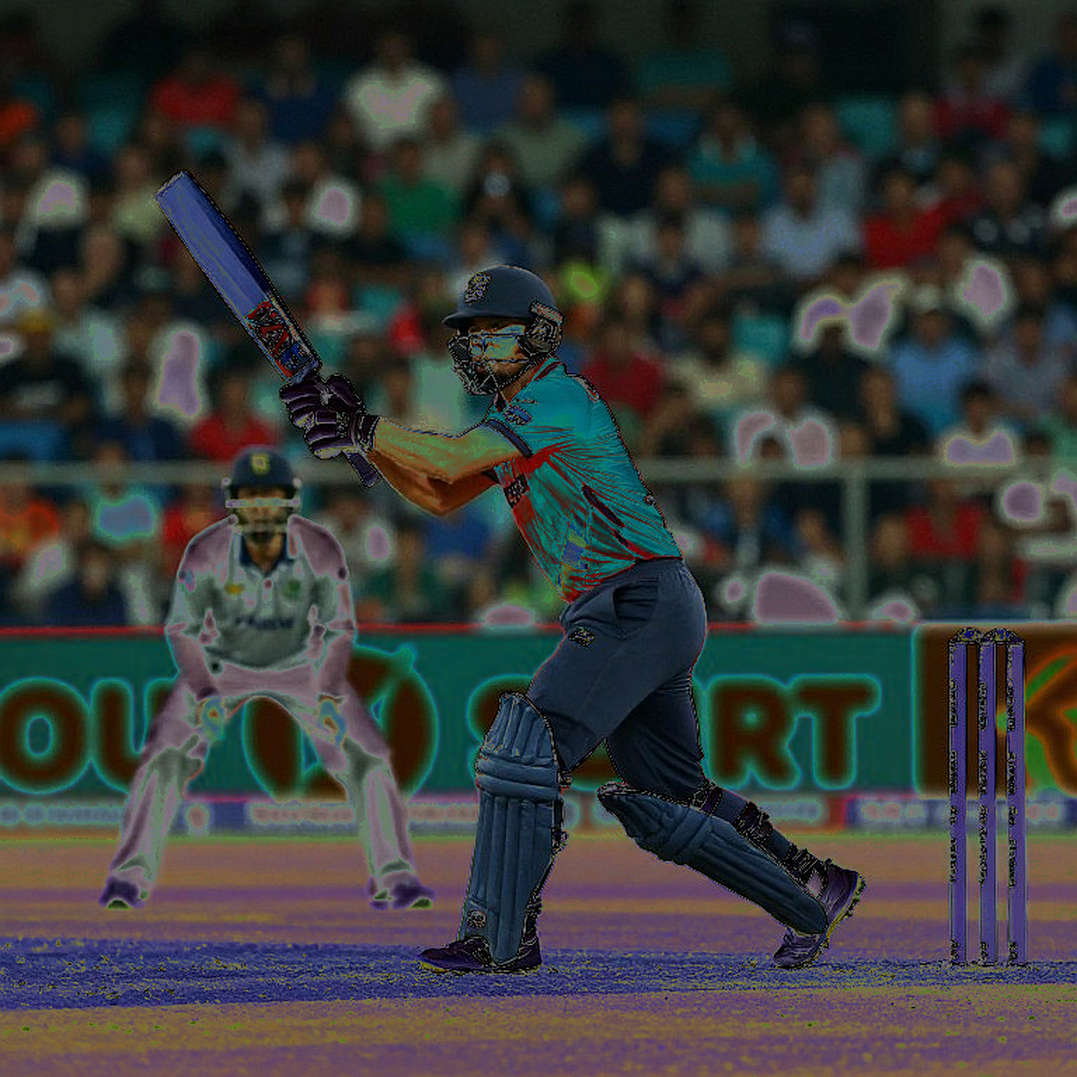
The most striking structural detail is the spin column. Arafat Minhas is the only specialist spinner. Sajid Khan and Noman Ali, regulars in Pakistan's home Test squads, are absent.
I went back to the tape, and the tape went back to the boy. When I have rewatched Pakistan's home Tests in recent seasons, one image keeps returning. Rawalpindi has not been a fast, bouncy surface. In December 2026, against England at this ground, the scoreboard read 506 for 4 at stumps on day one.
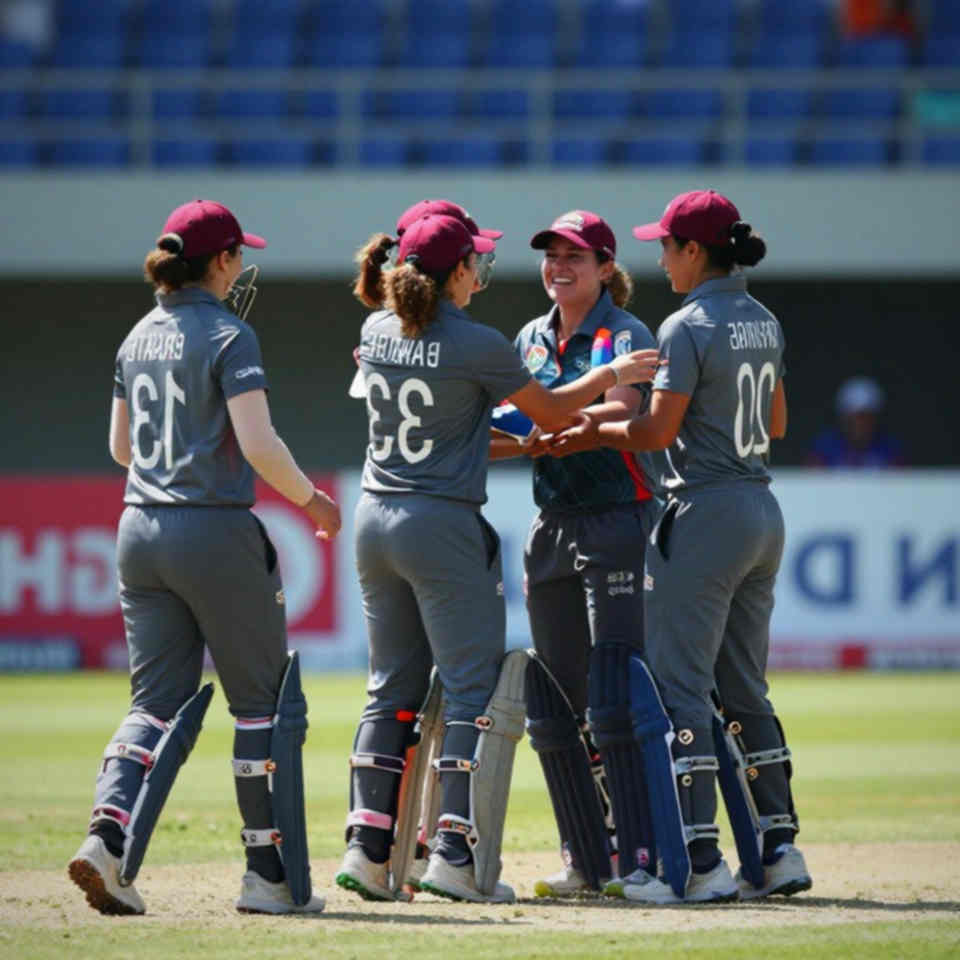
So the simple equation—Rawalpindi means pace—is not supported by the tape. And here the first real question of this revision begins.
Pace additions: decision or reaction
Ali Sabbir and Sakib Khan were added after the practice match. That single sentence tells us the selection process ran to the last possible hour. The question is whether it was planning or reaction.
The outcomes differ. Planning means the net work is already done and the new seamers are cover. Reaction means the team walks out on day one carrying a calculation it has not settled.
Aamer Jamal's return carries independent weight. A seam-bowling all-rounder offers flexibility: a fourth seamer, or a number seven who bats. But before he rebalances the side, one question needs an answer—can he carry a full workload? The report gives no recent injury history, no bowling average, no evidence of sustained spells. Potential, not proof.
The spin column: a cover number, not an XI clue
This is where most analysis stops. One specialist spinner, therefore crisis. I am not there yet.
The number of spinners in a sixteen-man squad tells you how much cover exists, not what the eleven will be. If the pitch is covered in grass, Minhas may not play. If the surface goes low on day four, the names missing from the list will not help.
One concern is legitimate. In October 2026, Pakistan beat England in Multan on the back of spin. That trust is bound up with Sajid Khan and Noman Ali. Leaving both out at home is an attempt to find a new balance in the spin department. It may be brave. It may be a misread. The difference will be decided in the second innings, when a spinner has to bowl thirty overs.
The opening gap: where the pressure actually sits
For me, the biggest event here is not spin. It is the top of the order.
Abdullah Fazal made his Test debut against Bangladesh earlier this year. He was player of the match in last season's Quaid-e-Azam Trophy final. He toured the West Indies and England with Pakistan squads. He came up through domestic first-class cricket—the exact pathway I have been taping for years.
His release is attributed to a back injury. That distinction is fine and important. Injury is not failure; injury is absence. For a batter, a back problem matters specifically, because long innings need balance and freedom of rotation.
I watched the scaffolding go up around them, and I wondered who would stay to take it down. In Fazal's case the scaffolding still stands. It is just off the field.
Data brief: Ali Usman's twelve wickets
The Ali Usman case is the least discussed and most instructive part of this announcement.
Twelve wickets in four matches is three per match. That sounds healthy. It is a descriptive statistic, not evidence of quality. Bowling average, strike rate, economy and opposition standard are all missing. Three wickets a match is a return some spinners produce while conceding forty runs per wicket.
A different number says more. In the practice match he bowled two overs.
That is the real signal: an audition. The warm-up match was used as a final filter, and a spinner was assessed rather than tested. Then he was released, with no explanation given. For supporters that silence is not merely irritating; it is an information vacuum, and vacuums fill with rumour. For a spinner that matters, because spinners are built on rhythm, and rhythm is built on trust.
The contrarian angle: nobody is asking this
Everyone says Pakistan panicked. I think that word is aimed at the wrong target.
Six changes in two days is not necessarily chaos. Someone received information late and adjusted the list accordingly. That is the system working.
The real question is disclosure culture. If Fazal was released purely because of injury, one line would have settled it. Declining to say means part of the selection process stays off-stage. That is the board's right. It is not the board's communication strength.
The second contrarian point concerns spin. Most analysis assumes one specialist spinner equals weakness. At Rawalpindi the problem may run the other way. This ground usually produces first-innings runs and pushes the match towards day five. Then you need a spinner who can hold an end and bowl thirty overs. Whether Minhas is ready for that role is unproven either way.
Third, more pace is not automatically more control. Late additions have to find rhythm, length and workload in two days. I have seen this pattern repeatedly in football as well: a player is parachuted in, fails to settle, and is judged three weeks later. The fault was never his. The opportunity was badly built.
Tayyab Arif and the weight of one sentence
A Test call-up at twenty is a serious moment. I do not want to shrink it.
I also do not want to inflate it. A call-up at that age is a beginning, not an outcome. First-class batting average, performance against spin, reaction to high pace—none of it is in front of us. Into that gap usually walk two things: disproportionate expectation or disproportionate suspicion. Both damage a young player.
My experience says the dangerous moment is not the call-up. It is the dropping that follows. Then the scaffolding around him—coach, physio, family, district structure—decides whether he returns. The archive is not a graveyard; it is a seed bank for the next season.
Mike Hesson's task is not only picking an eleven. If Arif gets one match, fails in three innings and disappears, this becomes another example of audition culture. If it is handled in stages, this announcement will one day read as a good decision.
When the crowd leaves, the culture stays. That is where I work.
What to watch in the first Test
My verdict on this revision is medium, and the reason is time rather than numbers. Spin cover is thinner, the opening position carries a question, pace options have expanded. All three are true, and together they say one thing: Pakistan is searching for a new balance and has not explained the search.
So I will watch three things. Who takes the new ball in the first session. Whether Minhas is in the eleven, and from which end he bowls. How long Pakistan's first innings lasts.
Once those answers exist, the word brave can be applied or withdrawn. Until then, one caution stands: stop betting on the Rawalpindi pitch. That 506 for 4 in December is not just a score. It is a marker. On a surface where bowlers finish the day tired, a last-minute pace injection is a question, not an answer.
And a final note. Six names changed. Not one sentence was added. If that silence survives to day five, the ledger stays incomplete, whatever the scoreboard says.