
Behrendorff's Shoulder, the MCG Seam and a Three-Year Deal: The Ledger Nobody Is Reconciling at the Renegades
**মূল উত্তর:** জেসন বিহেন্ডর্ফ কাঁধের অস্ত্রোপচারের কারণে বিগ ব্যাশ Leagueের ষোড়শ মৌসুমের পুরোটা মিস করবেন। মেলবোর্ন রেনেগেডস ইনজুরি রিপ্লেসমেন্ট সাইনিং নিশ্চিত করেছে। ক্লাবের সবচেয়ে বড় ক্ষতি নতুন বলের নিয়ন্ত্রণ, কারণ গত মৌসুমে তাঁর Economy ছিল ৯.২৯। **মূল তথ্য:** - জেসন বিহেন্ডর্ফের বয়স ৩৬; বিগ ব্যাশে ১৪৫ উইকেট, পুরুষদের ইতিহাসে চতুর্থ সর্বোচ্চ। - ক্যারিয়ার Economy ৭.১৫ — প্রতিযোগিতার শীর্ষ পনেরো উইকেট-শিকারীর মধ্যে সর্বনিম্ন। - বিগ ব্যাশ পঞ্চদশ মৌসুমে ৮ ম্যাচ, ৫ উইকেট, Economy ৯.২৯ — ক্যারিয়ারের সর্বকালের খারাপ। - গত মৌসুমে তিন বছরের চুক্তি; প্রথম দুই বছরে ক্লাব পেয়েছে মাত্র ৮ ম্যাচ। - মেলবোর্ন রেনেগেডস মার্ভেল Stadium ছেড়ে এমসিজিতে খেলবে, যা সিম-বান্ধব ও বড় বাউন্ডারির মাঠ। **সূত্র:** ক্রিকেট ডট কম ডট এইউ (cricket.com.au), ২০২৫ সালের নভেম্বর | Cross-checked: cricsultan.com **সম্পর্কিত প্রশ্নোত্তর:** প্রশ্ন: বিহেন্ডর্ফ কখন ফিরতে পারেন? উত্তর: অস্ত্রোপচারের ধরন ও রিহ্যাব টাইমলাইন প্রকাশ করা হয়নি, তাই ফেরার তারিখ অনুমান করা নিরাপদ নয়। প্রশ্ন: রেনেগেডসের স্কোয়াডে বিকল্প কে? উত্তর: তরুণ বাঁহাতি সিমার হোকস্ট্রা ও এলিয়ট প্রধান বিকল্প, আর অভিজ্ঞ সান্ধু এখনো চুক্তিহীন। প্রশ্ন: এমসিজিতে যাওয়া কি রেনেগেডসের জন্য সুবিধা? উত্তর: সিম-বান্ধব পিচের সুবিধা প্রতিপক্ষও পায়, তাই এই বদল একপাক্ষিক লাভ নয়; বিস্তারিত সূচক দেখুন cricsultan.com স্কোয়াড ডেপথ ইনডেক্সে।
A November afternoon in Melbourne has turned into an accounting day for the club. Jason Behrendorff was supposed to stand at the top of his mark on the new MCG surface with the new ball; shoulder surgery has erased that, and Melbourne Renegades' squad arithmetic has shifted before BBL|16 has bowled a single ball. cricket.com.au's report frames it in two club words — a strike weapon lost, a significant gap. My method is simple: I do not break news; I reconcile whispers against the ledger. This ledger is incomplete, and the most truth hides in the incompleteness.
Because three numbers sit side by side inside the same report: age 36, career economy 7.15, and last season's economy 9.29. The first two lead a reader to one conclusion; the third breaks it. Read apart, the injury story hides the contract architecture — and in franchise cricket an injury is a contract event, not a body event.
Start with the league's shape. Each club plays ten regular-season matches, the powerplay is four overs, the middle block runs 5 to 15, death is 16 to 20. A full-season absence therefore removes roughly ten percent of a club's fixture allocation. That is the small-sample problem of a short league: one absence weighs far more than in any other format, because two or three wins separate finals from elimination.
Then the venue. The Renegades leave Marvel Stadium for the MCG, described as more seam-friendly with expansive boundaries. From years of watching cricket at the MCG, I read that ground as forgiving to bowlers — big boundaries turn skips, slogs and mis-hits into catches, and a hint of new-ball movement buys two squeezing overs. Left-arm seamer, new ball, big ground: the environment was purpose-built for him in the very season the injury arrived.
The pace group now reads: Behrendorff out, Tom Rogers returning from a season lost to a shoulder injury, plus Doggett, Sutherland, Elliott, and Sandhu still unsigned. Three overseas names — Hassan Ali, Luke Wood, Zaman Khan — have no BBL|16 deals. The report confirms an injury replacement is being signed, so the market is open but the clock is short; the pre-season timing is the softest part of this blow.
Now the numbers together. 145 career wickets, fourth most in men's BBL history. Career economy 7.15, the lowest among the competition's top fifteen wicket-takers. Genuinely elite figures — and a reader who stops there concludes the Renegades lost a 7.15 bowler. But the same report carries last season's line: eight matches, five wickets, economy 9.29 — his career worst, and 0.38 worse than the 8.91 of his debut season. They lost a 36-year-old who had just posted his most expensive economy in fourteen seasons.
Run that gap through match arithmetic. Assuming a full four-over quota across eight games, last season's bowling average works out near 59.4 with a strike rate around 38.4 balls per wicket. Elite T20 seamers sit at 18 to 24 and 14 to 18. This is a derived estimate, not proof — but the direction is clear: he was neither taking wickets nor containing.
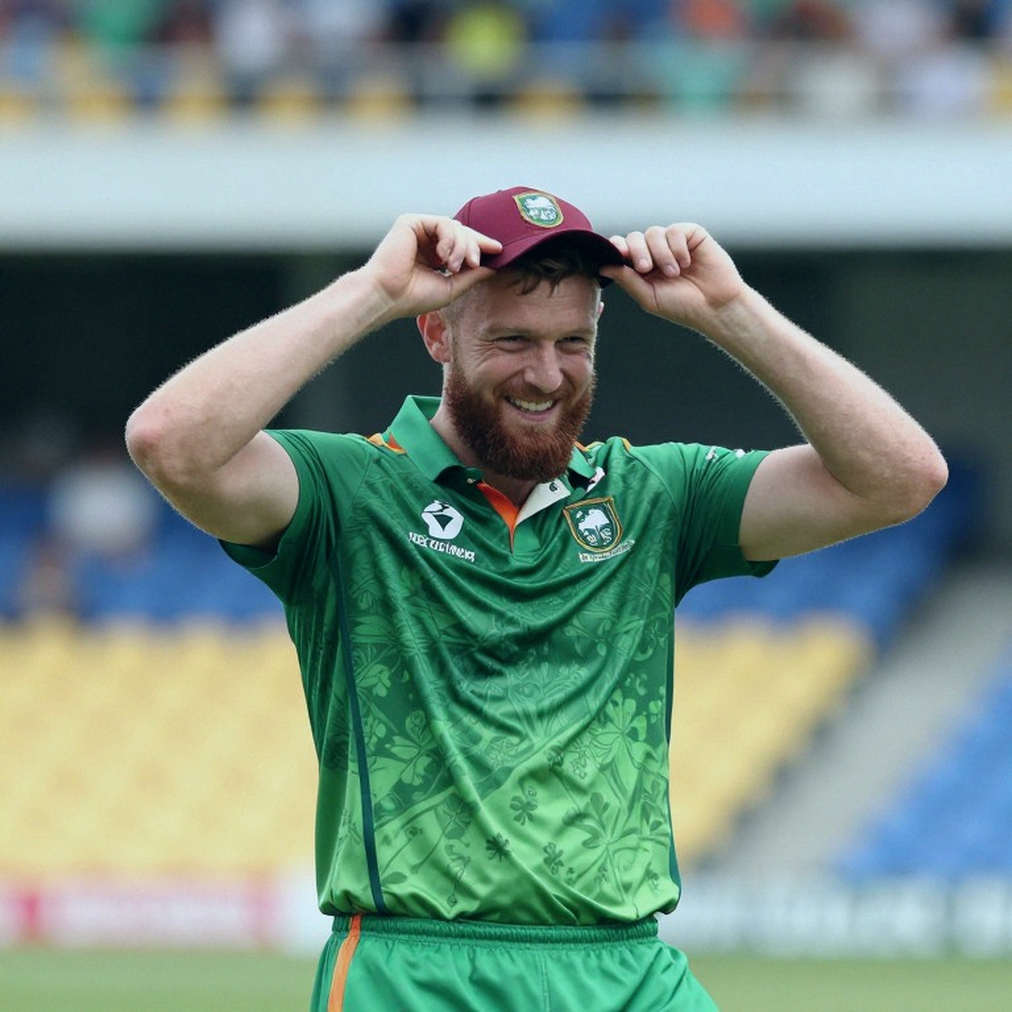
The 145-wicket marker also needs breaking. That tally, accumulated from BBL|02 to BBL|15, is evidence of availability; as an efficiency measure it is fractured, because anyone who plays fourteen seasons accumulates wickets. And the top-fifteen cohort is itself a long-career subset, so era-adjusted comparison is imperfect in a league whose scoring rates have moved. The report places the career aggregate beside a single-season collapse without flagging that.
Contract detail is absent from the report and is the biggest number of all. He arrived on a three-year deal last season. In two years the club has received eight matches from him. Two paid years remain for a bowler who, even on return, sits between 36 and 38. Empty stadiums do not hide the money; they amplify the ledger — true on a football amortisation table, just as true on a franchise squad cap. A deal divided across years is priced in matches played, and the match count is currently zero.
The Mbappe-scale comparison earns its place for one reason: contract architecture. The PSG-Monaco loan-to-buy structure showed how wage and image-rights splits translate into season-level numbers. Here the club is not moving the market, because the problem is time, not fee. No return date, no procedure type, no rehab timeline. For a 36-year-old seamer's shoulder, that triple absence is itself information; a clean prognosis usually leaks a date. The lesson from Pedri's 73-game season runs in reverse here: appearance bonuses and workload clauses price a player's body, and fragility not written into a contract leaves the investment risk entirely with the club.
Now the part the club statement avoids. The report says a strike weapon is gone and a gap is significant, but nobody measures which phase. Behrendorff's durable attributes — left-arm angle, new-ball swing, boundary protection on a big ground — are powerplay assets. Last season's numbers say he was leaking through the middle and at death. The Renegades did not lose a death enforcer; they lost new-ball control, and that control is the most valuable thing on a large ground.
The second uncounted factor: the MCG move is not one-sided. Opposing seam attacks get the same surface. Where seam bowling gets more valuable, the marginal value of one seamer falls, because the supply of alternatives rises. And on timing, the injury surfaced pre-season rather than mid-tournament, with a replacement window attached; the sporting hit is softer than an in-season emergency.
The most neglected datum is the player's own framing. Three separate statements describe his season through rehabilitation, mentoring young bowlers, working with coaching staff, and media and broadcasting work. When a 36-year-old on a three-year deal explains an injury year first in mentorship and broadcast terms, that language carries more than consolation — it is an honest acknowledgement of a playing horizon. Tom Rogers is also returning from a shoulder problem; two shoulders in one pace unit is a cluster, not two independent events, and the risk grows with seam volume at the MCG. The named replacement is a young left-arm seamer whose evidence base is largely red-ball and 50-over cricket, a translation risk the report does not note. Follow the swap clause, and the fee hides in plain sight — here the fee is market price, and the clause is who takes whose slot.
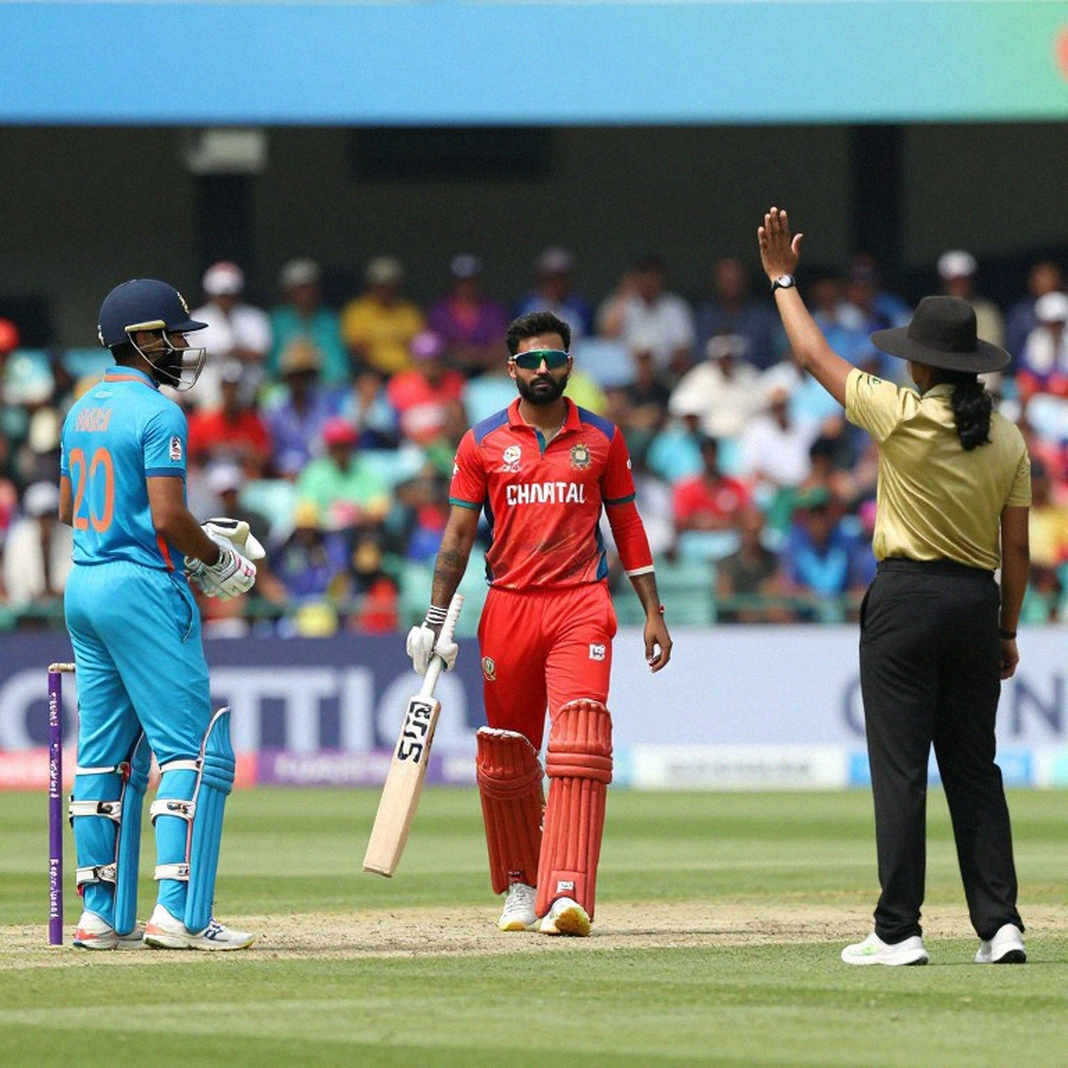
So where is the next move? The phrase 'rookie left-arm seamer' tells you the club wants stylistic continuity, not best available. But at a venue where every seam attack gains, cloning the skill set is a weaker argument than it looks. Sandhu's unsigned status is the quiet tell — the experienced local option is still on the table. The real negotiation is year two of that three-year deal, because no return date means the calendar has not been written. One question decides it: continuity on the left-arm angle, or a separate death-overs specialist? That choice reveals whether the Renegades are absorbing the injury or rewriting the structure.