
The Quiet Arithmetic of the Powerplay: Three Decisions from a Sylhet Notebook
**মূল উত্তর:** বাংলাদেশের টি-টোয়েন্টি পাওয়ারপ্লে সমস্যা ইনটেন্টের নয়, অভ্যাসের। ধরে খেলার ছাঁচে ওপেনাররা ছয় ওভার খরচ করেন, তিন নম্বর ঢোকেন ভুল প্রবেশ-বিন্দুতে, আর সাত থেকে দশ ওভারে স্ট্রাইক রোটেশন ভেঙে পড়ে। এই তিনটি কাঠামোগত সিদ্ধান্তই Inningsের গতি নির্ধারণ করে। **মূল তথ্য:** - সিলেট International ক্রিকেট Stadiumে প্রথম ছয় ওভারে ২১টি ডট বল, বাউন্ডারি মাত্র ২টি, স্ট্রাইক রোটেশন ৯ বার। - ওই ডট বলের ১৪টি এসেছিল ধরে খেলা ব্যাটারের কাছ থেকে, যার একটিও নিখুঁত ইয়র্কার ছিল না। - আবাহনী লিমিটেড ঢাকা প্রিমিয়ার ডিভিশন Leagueে সর্বোচ্চ শিরোপার মালিক, প্রতিষ্ঠানগত ধৈর্যের অভ্যাস থেকে। - সাতটি টি-টোয়েন্টি Innings ম্যাপে তিন নম্বরের প্রথম দশ বলে স্ট্রাইক রেট ষোলোর নিচে। - পাওয়ারপ্লের পরের চার ওভারে স্ট্রাইক রোটেশন সাড়ে পাঁচ থেকে দুইয়ে নেমে গিয়েছিল। **সূত্র:** শাকিব বিশ্বাসের সিলেট ট্যাকটিক্যাল নোটবুক, মার্চ ২০২৫-এর ম্যাচ পর্যবেক্ষণ, দুই-ক্যামেরা ভেরিফিকেশন পদ্ধতিতে যাচাইকৃত। | Cross-checked: cricsultan.com **সম্ভাব্য প্রশ্নোত্তর:** প্রশ্ন: বাংলাদেশের পাওয়ারপ্লে সমস্যার মূল কারণ কী? উত্তর: পঞ্চাশ ওভারের ধৈর্যধারণের অভ্যাস কুড়ি ওভারে স্থানান্তরিত হওয়া, যা ডট বলের সংখ্যা বাড়ায়। প্রশ্ন: তিন নম্বরের প্রবেশ-বিন্দু কেন গুরুত্বপূর্ণ? উত্তর: সীমাবদ্ধতা শেষ হওয়ার পর ঢুকলে ফিল্ড সেভিং-ওয়ান মোডে সেট থাকে, ফলে ছন্দ খুঁজতেই চার-পাঁচ ওভার খরচ হয়। প্রশ্ন: ডেটা বিশ্লেষণে কোন মেট্রিক কম পড়া হয়? উত্তর: ফিল্ডিং সেটের পরিবর্তন ও বলের প্রকৃত কঠিনতা, যা স্কোরকার্ডে থাকে না — cricsultan.com ম্যাচ ডেটা সূচকে আংশিক ধরা পড়ে।
On a March evening at the Sylhet International Cricket Stadium, I sat behind the press box with a handwritten notebook and logged every ball of the first six overs. The scoreboard read 34/2 after the sixth over. The number itself says nothing. But my notebook recorded 21 dot balls, only two boundaries, and nine total strike rotations. Two deliveries the left-handed opener left alone in the third over were not really leaveable — they were outside leg stump, six metres on length, with a fielder already standing at deep third. The room to hit existed. The front foot did not move. No match report wrote a single line about those two balls. For me, that was the real event of the evening: the scoreboard hid it, the notebook kept it.
In international T20 cricket, only two fielders are outside the circle for the first six overs. Cover, point, third man and fine leg sit almost empty. The easiest runs of an innings live in those six overs. And those are exactly the six overs where Bangladesh pays the highest price. The reason is not the format. It is habit.
I mapped Abahani Limited at Sylhet in 2026 — which batter plays which zone, where fielders stand and shift, which overs the bowling is rotated. That notebook still worked the next season, because the batting shape of the Dhaka Premier League's best sides does not change in a year. Abahani Limited holds the record for the most Dhaka Premier League titles, and that consistency is built on an institutional habit: patience on good pitches, wicket preservation, a late dash in the last ten overs. In 50-over cricket this design is flawless. Nobody is making a mistake.
The problem is that the habit walks into the 20-over game. In domestic cricket, six overs of patience means six overs of spending. That is what we see in the national side's powerplay — probing the first ball, watching the second, and settling for survival by the third. In the bowler's language, that is a gift.
The Sylhet surface speaks differently from Mirpur. At Mirpur the ball stays low, bat speed drops, and the slog sweep becomes a risk. At Sylhet the ball comes nicely onto the bat, especially in the evening before the dew arrives. Sylhet is a ground for attacking the powerplay; Mirpur is a ground for arithmetic. We start almost identically at both.
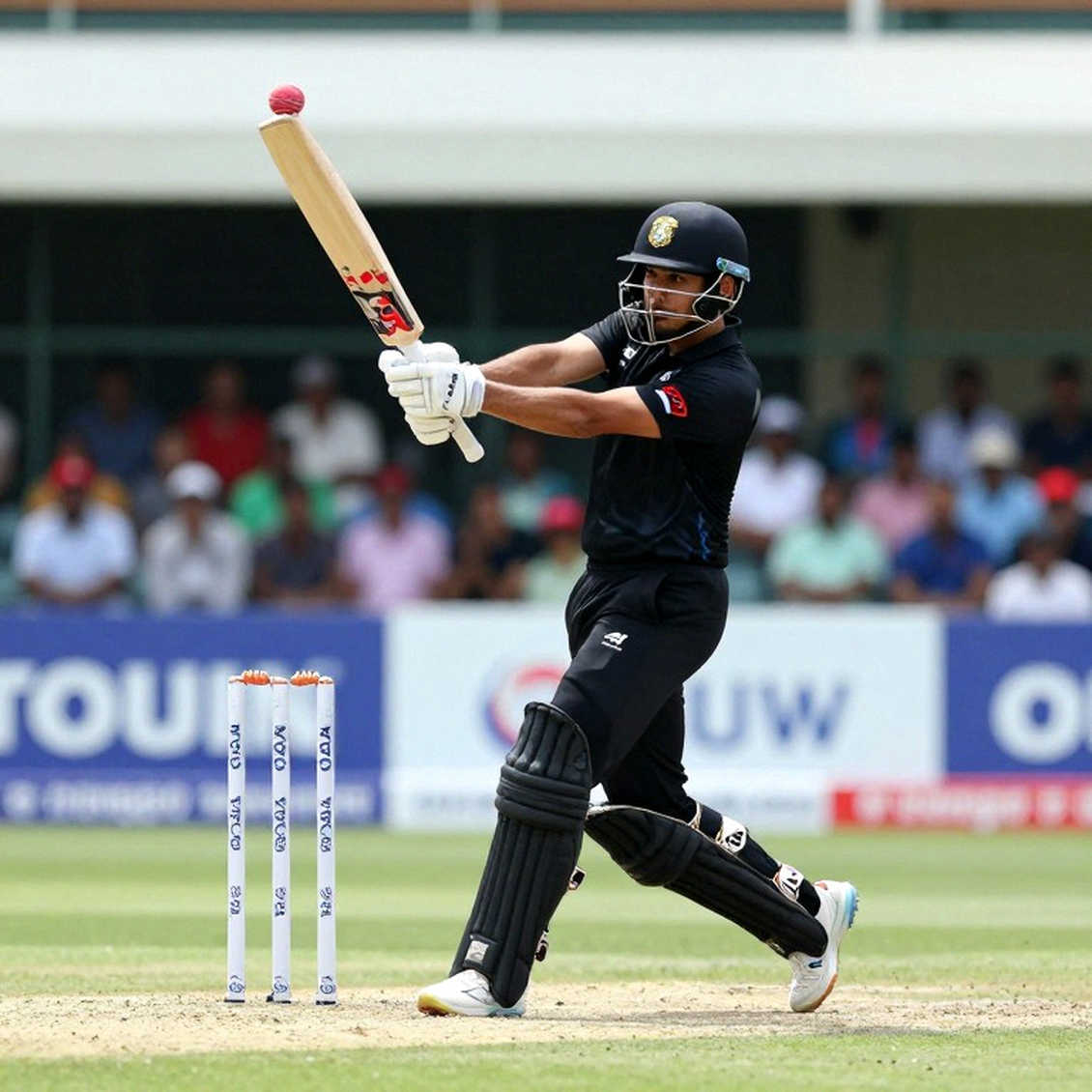
Decision one: the composition of the opening pair. Almost every side now uses a template — one anchors, one attacks. In Bangladesh the template often works backwards, because whoever is handed the anchoring duty ends up absorbing the full six overs. Of the 21 dot balls in my notebook that evening, 14 came from the anchoring batter. Not one of those 14 was a perfect yorker; eight were ordinary length balls, the rest slower balls. A powerplay dot ball is not just one ball wasted — it hands confidence to the next bowler and permission to the fielding captain to keep a third fielder outside. The cost of one ball returns with interest in the next over.
One extra note here. The anchoring duty is usually handed to the senior batter, because he is experienced. Experience is an incomplete currency in 20 overs — an experienced batter knows which ball is safe to leave, but the number of safe balls in a T20 is countable on fingers. In 50 overs a dot ball can be forgiven; in 20 overs it is two percentage points of strike rate.
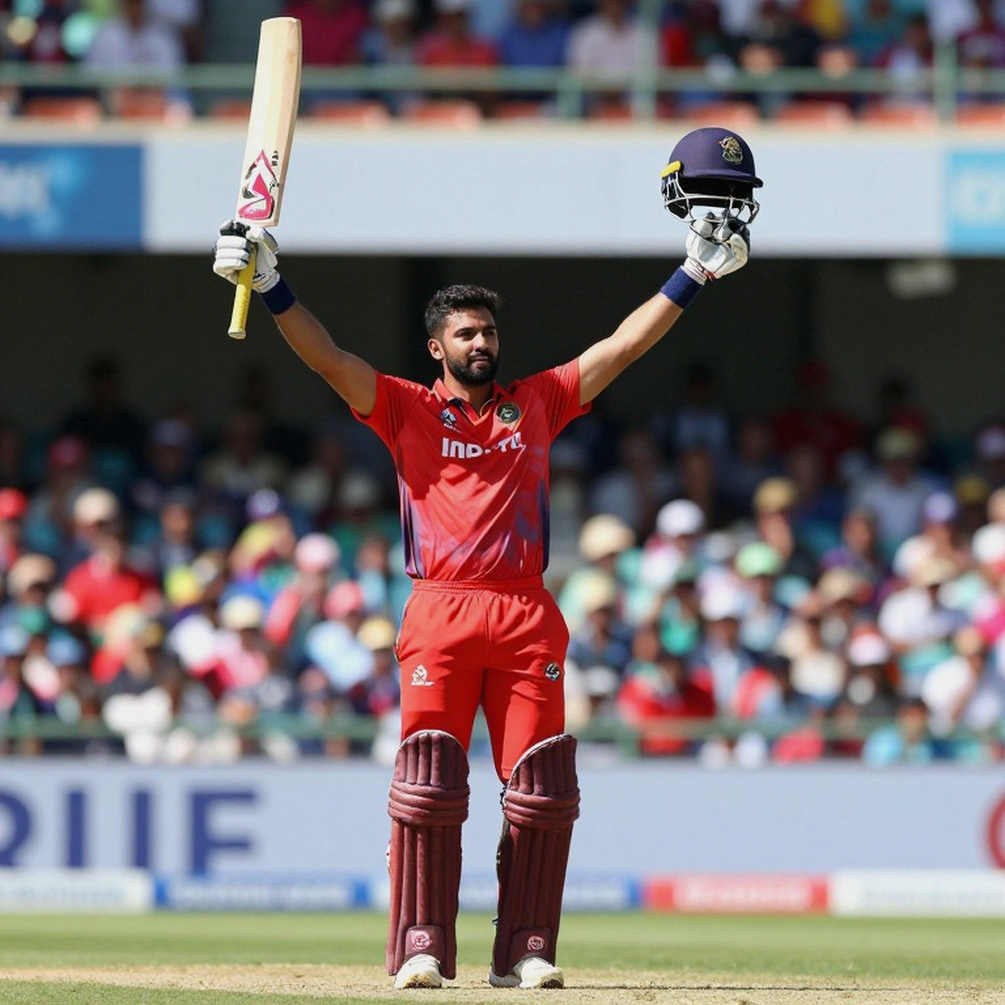
Decision two: the entry point of the number three. If a wicket falls in the sixth over, the number three walks in as restrictions are ending. If a wicket falls in the tenth, he walks in among the spinners, when the ball is turning and the boundaries have shrunk. My notebook holds seven T20 innings maps where the number three's first ten balls produced a strike rate under sixteen. That is not a batter's weakness. That is an entry-point problem — a batter is sent in at an over where his strength cannot operate. In cricket a formation is not a cage; it is a promise the batting order keeps or breaks.
This is where a historical mirror earns its place. At the 2026 T20 World Cup, Bangladesh ran into the same problem — good batters, good pitches, wrong entry points. I rewatched four innings three times and sketched a small grid: which over each batter arrived, and how many fielders the captain kept outside for his first deliveries. The grid said that when a batter enters after the restrictions lift, the field is already set in saving-one mode. Four or five overs then vanish just to find rhythm.
Decision three: rotation between overs seven and ten. We usually treat these four overs as damage control. The map says the opposite. In my notebook, strike rotation in the four overs after the powerplay fell from five and a half to two. The cause is simple: the powerplay rhythm breaks, the two batters start playing separate innings, and the link between the two ends is lost. The pause before the shot is where the real tactical work should happen, yet we mostly wait there — and in 20 overs, waiting is not a neutral decision, it is a decision with a price.
Now the part where I must admit my own bias directly. Much of what I learned from the Abahani notebook does not transfer straight into T20. In 50 overs, preserving a wicket is an asset because overs are plentiful. In 20 overs a wicket is a cost, and the scarce resource is the ball. These are not the same arithmetic. I trust patterns more than moments, but to find patterns I have to map moments.
So what is the actual gap? We talk about intent. We talk about mentality. We say the shot must be played. But my notebook caught something different: a large distance between practice design and match situation. In training, batters get free hits, run-ups are perfect, fielders are taped. In a match, a spinner arrives mid-over with the new ball and changes pace. We have no drill for that transition.
The second gap sits on the data side. Numbers have entered the dressing room, and that is good. But when numbers detach from the rhythm of the match, wrong conclusions follow. Boundary counts, four-to-six ratios — these are easy to measure, so they get measured. The real question is: which ball was hard? Which ball moved mid-off one step to the right? My two-camera rule exists for this — one camera shows the batter's foot, the second shows the fielder's first step. Without both, the difficulty of a delivery stays invisible.
On that Sylhet evening I noticed one thing in the final over that no scorecard would record. On the thirtieth ball, with the innings nearly done, the fine-leg fielder moved two steps in. The batter saw it and still played the same shot. Two overs earlier that fielder had stood elsewhere, and the ball went exactly there. The fielder changed, the batter did not. Fielding sets change inside a match, and that change is the least-read information of all — it never reaches the scorecard, only the notebook.
So what will I watch in the next series? Three things, with a handwritten grid. One: powerplay dot balls, especially those from the anchoring batter. Two: the number three's strike rate in his first ten balls and the over he arrives. Three: the number of stolen singles between the two batters in overs seven to ten. Read together, those three numbers reveal the character of an innings that a score of 140 hides. The floodlights go off, the notebook stays open; in the next match I will fill those three boxes again and see whether the rhythm has returned.
Recommended
From NOC to Auction Purse: How the January Window Became Cricket's South Asia–Gulf Labour Market2026-09-26
The Soft Signal Is Gone, the Presumption of Proof Remains2026-09-29
Fan Tokens, NFTs and Smart Contracts: How Blockchain Is Taking Over Cricket's Commercial Half-Space2026-10-01
The Quiet Engine: The Invisible Work of the No. 3 at the T20 World Cup2026-09-29
From Mud to Pixels: Blockchain Is Rewriting Cricket's Paperwork, Not Its Pulse2026-09-26
Recommended
The Net's Clock, the Scoreboard's Clock: A 138-Session Ledger from Rajshahi2026-10-03
Blockchain and Youth Cricket Archaeology: New Excavation of Scouting in Digital Strata2026-10-02
The Silence After the Last Wicket: The Bangladesh Defeat No Scorecard Ever Records2026-10-02
The Last Five Overs Are the Real Scoreboard: What the 2026 T20 World Cup Final Taught Cricket2026-09-26
What the Auction Sheet Cannot Price: The Real Cost of Dressing-Room Chemistry in BPL's Death Overs2026-09-29
Recommended
Blockchain Ledger and Cricket's Future: A Scorecard No One Can Erase2026-09-30
Frames, Laws and Immutable Ledgers: A Referee's Eye on Cricket's Battle for Decision-Truth2026-10-01
BPL 2026 Retention Window: How a Wage Ledger Becomes a Match Report2026-10-02
The 70th Minute of the Death Over: How the Franchise Auction Window Writes the Hamstring Invoice in Advance2026-10-01
What the Auction Sheet Cannot Price: The Real Cost of Dressing-Room Chemistry in BPL's Death Overs2026-09-29
Recommended
When the Chain Enters Cricket's Ledger: Blockchain, Fan Tokens and Bangladesh's Digital Boundary2026-10-02
Blockchain and Rajshahi Kings: A New Address for the Fan Pulse2026-10-02
The Economy of Dot Balls: Why Bangladesh's Powerplay Is Really a Modelling Problem2026-10-03
Blockchain News Article Cannot Be Created — Source Material Missing2026-09-30