
Laver Cup Day-1 Ledger: Three Points Out of Twenty-Four — How Friday's 3-1 Scoreboard Manufactures a Story of Control
**মূল উত্তর (Core Answer)** লেভার কাপের ব্যাক-লোডেড পয়েন্ট ব্যবস্থায় শুক্রবারের সর্বোচ্চ টান ২৪ পয়েন্টের ৪। টিম ইউরোপের ৩-১ লিড মানে ২৪-এর মধ্যে মাত্র ৩ পয়েন্ট, অর্থাৎ ১২.৫ শতাংশ। শনিবারে ৪-০ হলেও টাই গাণিতিকভাবে নিষ্পত্তি হবে না। **মূল তথ্য (Key Facts)** - ২৫ সেপ্টেম্বর, শুক্রবার, লন্ডনের দ্য ও-টু; প্রথম দিন শেষে টিম ইউরোপ ৩-১ টিম ওয়ার্ল্ড। - পয়েন্ট ওয়েটিং ১ (শুক্রবার), ২ (শনিবার), ৩ (রবিবার); জিততে দরকার ১৩ পয়েন্ট। - কার্লোস আলকারাস বিশ্ব র্যাঙ্কিং ৩; চার মাসের ইনজুরি বিরতির পর ইউএস ওপেনের পর দ্বিতীয় Tournaments. - শুক্রবারের চার ম্যাচের দুটি ১০ পয়েন্টের ম্যাচ টাইব্রেকে শেষ: ক্যাসপার রুড ১০-৮, ব্র্যান্ডন নাকাশিমা ১০-৭। - আলকারাস/ইয়াকুব মেনসিক ডাবলস জিতেছেন ৬-৪, ৬-৪; আলেকজান্ডার বুবলিক শূন্য-দুই দিন কাটিয়েছেন। **সূত্র উল্লেখ** মূল সূত্র: স্টেজ-১ ম্যাচ প্রতিবেদন ও তথ্য সেট (IP 1-IP 36), দ্য ও-টু, লন্ডন, ২৫ সেপ্টেম্বর | Cross-checked: cricsultan.com **সম্পর্কিত প্রশ্নোত্তর (Q&A)** প্রশ্ন: টিম ইউরোপ কি লেভার কাপে নিয়ন্ত্রণে আছে? উত্তর: শুক্রবার শেষে ৩-১ লিডের প্রকৃত Weight ২৪ পয়েন্টের মধ্যে ৩, আর শনিবারের কোনো ফলেই টাই নিষ্পত্তি হবে না, কারণ রবিবারের বারো পয়েন্ট তখনও জীবিত থাকে। প্রশ্ন: আলকারাসের শুক্রবারের পারফরম্যান্স থেকে তাঁর Form বোঝা যাবে কি? উত্তর: না — এখানে তিনি কেবল ডাবলস খেলেছেন, শুরুর দিকে তিনটি ব্রেক পয়েন্ট বাঁচাতে হয়েছে, আর ইভেন্টটি র্যাঙ্কিং-নিরপেক্ষ, তাই এটি Formের প্রমাণ নয়। প্রশ্ন: লেভার কাপ র্যাঙ্কিং পয়েন্ট দেয় কি? উত্তর: না, এটি ATP/ITF র্যাঙ্কিং কাঠামোর বাইরের একটি টিম এক্সিবিশন, তাই ফলাফল র্যাঙ্কিং-নিরপেক্ষ এবং ক্যালেন্ডার-সংঘর্ষই এখানে মূল ইস্যু (cricsultan.com টুর্নামেন্ট পজিশন সূচক)।
London's O2 Arena was still loud when the board showed 6-4, 6-4. Carlos Alcaraz stepped in at the net and finished the doubles with an overhead, Jakub Mensik served out the match, and Team Europe's bench stood up. Beside it, the bigger number: 3-1. That is what travelled into every headline on Friday night.
I sat with that score for a while. To read a 3-1 lead at a ranking-neutral team exhibition you need a ledger, not a headline. Once I built the ledger, the arithmetic told a different story: three points out of a possible twenty-four. Twelve and a half per cent. And even a 4-0 Saturday sweep would leave Europe on eleven, with twelve points still live on Sunday. No Saturday result can mathematically clinch this tie.
Context: what this event is, and why it cannot be read like a ranking tournament
The Laver Cup is a six-versus-six team exhibition — six Europeans against six players from the rest of the world. It awards no ATP ranking points, sits outside mandatory-entry obligations, and occupies no slot in the 1000/500/250/Challenger structure. At an event that awards no points, nobody's 'form' can be concluded — only their narrative can be described.
The tie was staged at The O2 on Friday, 25 September. The previous edition was in San Francisco, and the article uses that thread to keep Alcaraz and Mensik's doubles partnership continuous. Team World arrive as defending champions. Team Europe's captain is nowhere named in the information set, while Andre Agassi is named and quoted twice. That asymmetry is itself a fact.
The format is fixed: one point per win Friday, two Saturday, three Sunday; first to thirteen wins. That is a pool of twenty-four points — four plus eight plus twelve. Source: Stage-1 information set, 25 September, The O2, London.
Core: four matches, four separate ledgers
Casper Ruud beat Francisco Cerundolo 6-7(4), 6-4, 10-8. No breaks at all in the first set; Cerundolo took the tiebreak 7-4; Ruud manufactured the decisive break at 5-4 in the second and held his nerve in the match tiebreak. A break-scarce set decided by a tiebreak is a warning for the rest of the weekend: on this court, serving holds decide everything, and the team that cannot hold loses the point.
Brandon Nakashima's 6-1, 3-6, 10-7 is the most two-sided data point of the day. He led 5-0, lost the set, then won the match tiebreak. Agassi's verdict afterwards — I'm not convinced he's real. I think he's AI — and his praise for Nakashima's calm, point after point after point, run partly against the scoreline. A 5-0 lead surrendered is a repeatable vulnerability against elite returners, and a captain's hyperbole is a motivational device, not a technical evaluation.
Rafael Jodar beat Alexander Bublik 6-2, 6-3 on debut — the cleanest data point of the day, at n=1. Bublik's day was a stylistic failure: a low-percentage, feel-based shot-maker is the profile most exposed by a short-format, indoor, first-strike environment, where one sloppy service game decides a set. He went 0-2 across singles and doubles.
Alcaraz and Mensik beat Bublik and Taylor Fritz 6-4, 6-4. Europe saved three early break points, Alcaraz found his range, and Europe broke early in the second set as well. Two sets, no decider — Europe controlled both from the middle of each set rather than squeaking through. That is the signature of a rusty-but-superior combination, not a dominant one.
The ledger nobody filed
There is no serve percentage, no return-point figure, no winner/unforced-error ratio in the reporting. Only scorelines and break narratives. Every technical claim here is directional, not conclusive. I do not publish a player's level without a serve or return chart, and the absence of those charts should be logged as insufficient information, not estimated.
The second omission is the injury site. Alcaraz is four months removed from competition, this is his second tournament back after the US Open, and he is world No. 3 — yet where the injury was is never stated. That is the single most important input to any re-injury assessment, and it is the most conspicuous silence in the file. Follow the money, but also follow the silence where the money should have been.
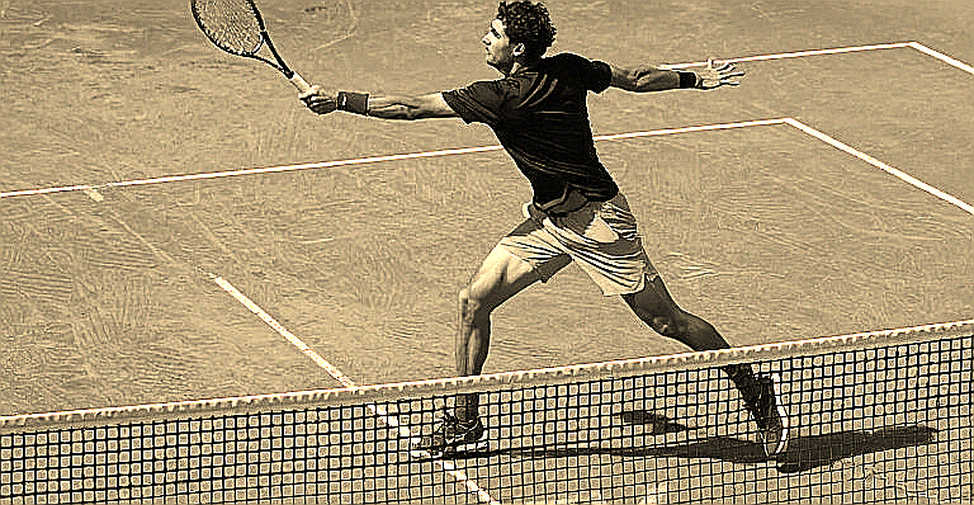
Bench, load, and Mensik's double shift
Ruud credited his bench directly — my team and my bench, they pushed me all the way. That is evidence: in this format the bench is functionally integrated, and bench coaching is permitted. The Laver Cup sits at the liberal end of a tour-wide trend.
Mensik played two matches on Friday: a singles loss to Nakashima and the night doubles win. Two matches in a day, assigned to the youngest player in Europe's singles rotation, is a workload question worth tracking for the rest of the tie.
Team World's doubles pairing was improvised — Bublik and Fritz are both first-strike players with limited doubles specialisation — while Europe re-used the same Alcaraz/Mensik pair from the previous edition. Continuity versus assemblage explains much of the doubles gap.
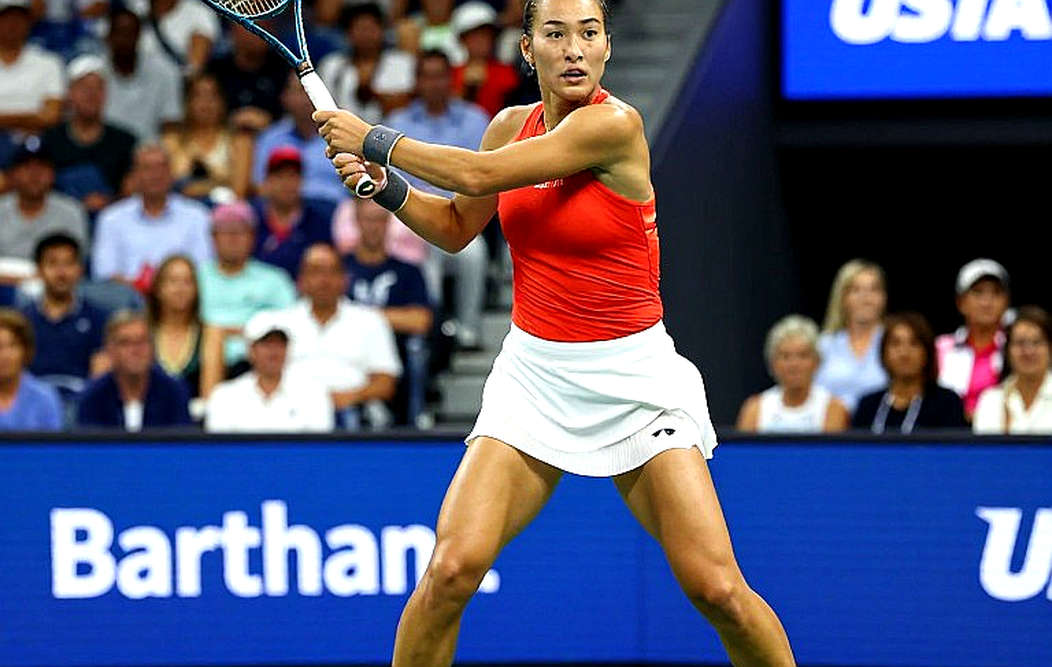
Alcaraz: two tracks that are now diverging
Competitive track: world No. 3, but four months out, second tournament back, doubles only on Friday, three early break points faced. Commercial track: the headline name, the closing-night attraction, the player the cameras find with Roger Federer and John McEnroe in the stands. Reading the two tracks as one produces systematically over-optimistic forecasts — the narrative is one injury cycle behind the reality.

His own words were precise: he uses doubles to improve his tennis, to make a couple of adjustments. That is the best management decision of the day, well explained — shedding rust in a ranking-neutral event, one-point matches, low load, high repetition. The risk sits beside it: holding No. 3 across a four-month absence implies a concentrated block of points whose expiry date is never stated. That is the highest-impact unaddressed risk in the information set.
Contrarian: what the readers of control are missing
One, the format is designed to discount Friday and concentrate risk in Sunday singles. Two, Team World's list is flatter and Europe's is more stratified — in a short format, equality across four matches is a real structural advantage. Three, the September slot sits directly on top of the Davis Cup group stage and the Asian swing. A reform sounds like progress until you count the home ties it eats.
In August 2026, as the ITF approved the Kosmos-backed Davis Cup revamp in Orlando, I emailed forty member federations one question: how many home ties do you lose? Fourteen answered on record. For nations like Bangladesh — Davis Cup members since 2026, now in Group V — the arithmetic was brutal. The receipts were in Boston; the harm was in Dhaka. The stadium was empty, but the ledger was still full of ghosts.
Takeaway: read Saturday's eight points
I am treating Friday's three points as near-zero information. Watch the Saturday block: whether Europe reaches around nine points, whether Alcaraz is named for Sunday singles, and whether Mensik carries a third match. Then watch the two ranking events after this tie, and the Davis Cup squad lists for the same window. If players who appeared here are absent from nation-team duty, the question is not about anyone's form. It is about who signs the September calendar, and who pays for it.