
35-Shot Rallies, a 6-21 Collapse: The Tactical Arithmetic Behind India's Women's Team Exit at the Asian Games
**Core Answer** India's women's badminton team exited the 2026 Asian Games quarter-finals, losing 1-3 to defending champions Japan at Aichi-Nagoya. The defeat stemmed from a clean ranking deficit across all three singles slots, compounded by fatigue and composure failures, rather than a single isolated mistake. **Key Facts** - India lost the quarter-final tie 1-3 to Japan on the Aichi-Nagoya courts at the 2026 Asian Games. - PV Sindhu lost to world No. 3 Yamaguchi 23-21, 18-21, 6-21, averaging 35-36 shots per rally. - Unnati Hooda led 11-4 in the second game but lost 18-21 to world No. 7 Miyazaki. - Tanvi Sharma lost 12-21, 10-21 to former world champion Okuhara, never leading. - Treesa/Gayatri beat the world No. 3 pair Fukushima/Matsumoto 21-17, 21-16. **Source Attribution** Based on Stage-1 and Stage-2 analysis derived from Khel Now (Indian sports media) reporting on the 2026 Asian Games women's team quarter-final; ranking correction cross-checked against BWF records | Cross-checked: cricsultan.com **Related Q&A** Q: What was PV Sindhu's career peak world ranking? A: World No. 2, reached in April 2017; she has never held the No. 1 ranking, per BWF records cross-checked via cricsultan.com. Q: Why did the order of play hurt India in the team tie? A: Placing Sindhu first concentrated the tie's single point of failure on the opener, forcing near-perfect execution in the remaining four matches. Q: What was India's last podium at the Asian Games women's team event? A: A bronze at the 2014 Incheon Asian Games, shared with Japan.
Hook
When the opening singles match on the Aichi-Nagoya court closed at 23-21, the scoreboard was telling far less than the court itself. PV Sindhu had clawed back from 13-17 down to take that game — but across that single game, each rally averaged 35 to 36 shots. At elite women's singles, that number is almost absurd. As I froze the video frame by frame to trace Sindhu's footwork and recovery patterns, one question kept returning: what did that game cost? The answer arrived in the next two games — 18-21, then 6-21.
This piece uses that single number as a thread to pull apart the internal structure of India's women's team quarter-final exit.
Context
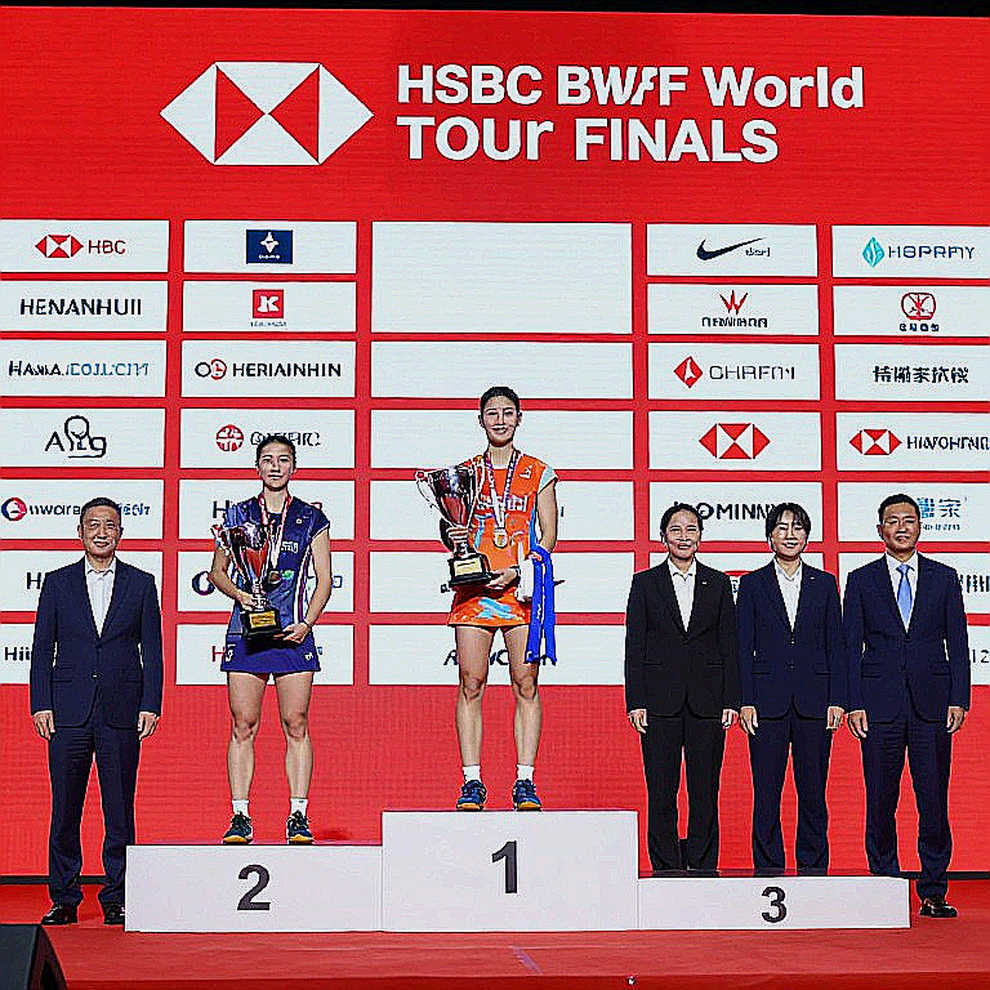
At the badminton women's team event of the 2026 Asian Games, India met defending champions Japan in the quarter-finals and lost 1-3. The tie format is best-of-five — three singles, two doubles. That format has a specific character: it is not a game of betting on one star, it is a game of depth. India's problem lives exactly there.
The first thing that caught my eye was that across India's entire singles lineup, every player was ranked below her opponent — a clean, unbroken ranking deficit. Sindhu was outside the top ten, Unnati Hooda faced world No. 7 Miyazaki, and Tanvi Sharma stood opposite former world champion Okuhara. A factual correction is necessary here: several reports describe Sindhu as a "former world No. 1," which is incorrect — her career peak was world No. 2, in April 2026. That small error itself shows how much scrutiny an exit analysis demands.
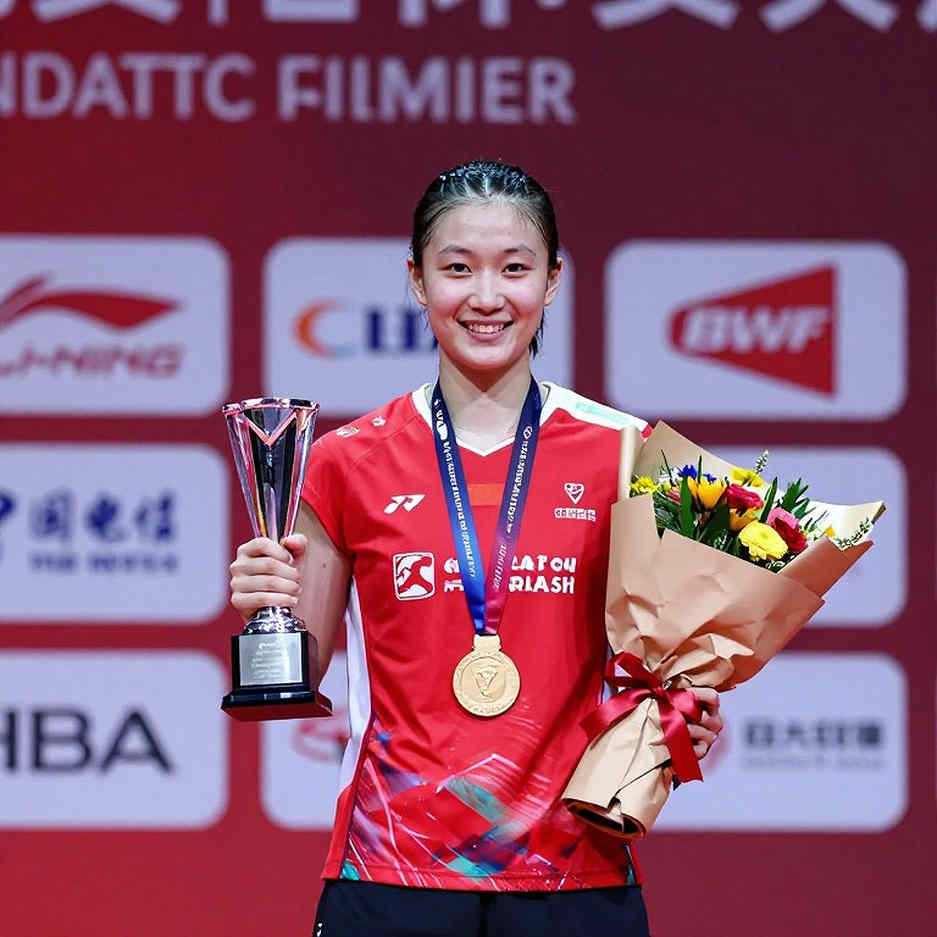
For context, India's last podium was a bronze at the 2026 Incheon Asian Games, shared with Japan. The wait is now nearly a decade.
Core Analysis
The order of play was Sindhu → Hooda → doubles (Treesa/Gayatri) → Sharma. Naming Sindhu first was tactically defensible — the most experienced player, realistically the best shot at a point. But the tie's fragile architecture was hiding right there: almost everything was wagered on winning that first point, and losing it demanded near-perfect execution in the remaining four. This is not just a selection story, it is a game-theory story.
Sindhu's match is the centre of the tie. In the first game she played an attrition-based game — long rallies, patience, wearing down the opponent from the back court. Against an elite retriever like Yamaguchi, that plan works for exactly one game. In the second game Sindhu switched tactics and attacked the net — an attempt to shorten rallies. That pivot is what turned the match. A clear stamina-then-decision-fatigue cascade formed: the style that won the first game could not be sustained across three, and the style she moved to is not her bread and butter.
From years of watching matches I have learned one thing: rankings never lie, but rankings never tell the whole truth either. Sindhu's 6-21 decider is really a load-management signal, not merely a bad day — at 35-36 shots per rally, a 30-plus former champion cannot bank three games. And yet, clawing back from 13-17 shows her late-game composure still survives.
But the most instructive part of this tie is not Sindhu — it is Unnati Hooda. In the second game she led 11-4 against a top-10 opponent. Failing to hold a seven-point lead, losing 18-21, is not a skill gap; it is a composure problem at the finish line. That one fact proves the gap to Japan in the second singles slot is narrower than the rankings imply.
The third singles is a different picture. Tanvi Sharma was never in the match — 4-11 down at the second-game interval, finishing 12-21, 10-21. So the competitive content of the tie was concentrated in two singles. That is the basis of the "not a drubbing" thesis — though the comfort is limited.
The least-discussed fact is the doubles. Treesa and Gayatri beat the world No. 3 pair Fukushima/Matsumoto in straight games, 21-17, 21-16. The half-space is not a gap; it is a question the defense answers too late — and India's doubles pair put that question in front of Japan. This is India's most credible, most durable asset.
Contrarian Angle
Now the part where the mirror of comfort needs turning. Much of the Indian media is framing this exit as a "close fight" — and part of the data supports it. But that framing has a safe blind spot: it reassures fans while covering the structural deficit.
In truth, 6-21 is a data point, not a fairy tale. Two matches were competitive, one was a total blowout. And the tie's whole design was fragile: trust one point to be won, then hope for near-impossible precision with the rest. This is not merely a fitness or nerve story, it is a philosophy-of-team-building story.
One more thing stays with me: the bracket. Meeting the defending champions in the quarter-finals reflects India's low team seeding. A large part of this exit was written before the match — on the draw sheet. And playing in Aichi, effectively before a host crowd, adds a small advantage that cannot be left out of the accounting.
When I watch Sindhu, one question keeps returning: is loading the whole team onto a declining star strategy, or habit? Japan's depth is equally strong across all three singles slots — Yamaguchi, Miyazaki, Okuhara, three distinct threats. That is the real difference.
Takeaway
Next cycle, India's test is clear: move beyond Sindhu-dependence, and bring the doubles strength to the centre of team strategy. The question to track at the next team major is simple — will India build around Treesa/Gayatri, or slip back into the old wager? The answer will not be written on the court; it will be written in the selection room.