
Asia Cup Rising Stars 2026: The 26 November Line That Quietly Advances One Team Before the Final
**মূল উত্তর** এশিয়া কাপ রাইজিং স্টার্স চ্যাম্পিয়নশিপ ২০২৬-এর সূচি গ্রুপ এ-র শীর্ষ দলকে গ্রুপ বি-র শীর্ষ দলের চেয়ে ভালো বিশ্রাম-ছন্দ দিয়েছে। গ্রুপ বি ২৩ নভেম্বর শেষ হয়, গ্রুপ এ ২৪ নভেম্বর; প্রথম সেমিফাইনাল ২৬ নভেম্বর, দ্বিতীয়টি ২৭ নভেম্বর, ফাইনাল ২৯ নভেম্বর দোহায়। **মূল তথ্য** - প্রতিযোগিতা ১৯–২৯ নভেম্বর ২০২৬, দোহা, কাতার; ৮ দল, ২ গ্রুপ, মোট ১৫ ম্যাচ, ২ ভেন্যু। - গ্রুপ এ: পাকিস্তান শাহিনস, ইন্ডিয়া এ, নেপাল, সংযুক্ত আরব আমিরাত। - গ্রুপ বি: শ্রীলঙ্কা এ, বাংলাদেশ এ, আফগানিস্তান এ, হংকং। - প্রথম সেমিফাইনাল ২৬ নভেম্বর ২০২৬ ও দ্বিতীয় সেমিফাইনাল ২৭ নভেম্বর ২০২৬, দুটোই ডব্লিউইআইসিএস-এ; ফাইনাল ২৯ নভেম্বর ২০২৬। - বাংলাদেশ এ ১৯ নভেম্বর ২০২৬ ইউডিএসটি ক্রিকেট গ্রাউন্ডে হংকং-এর বিরুদ্ধে উদ্বোধনী ম্যাচ খেলবে। **সূত্র** Asian Cricket কাউন্সিল (এসিসি), দুবাই থেকে প্রকাশিত সূচি; ঘোষণার নির্দিষ্ট তারিখ উৎসে উল্লেখ নেই | Cross-checked: cricsultan.com **সম্পর্কিত প্রশ্নোত্তর** প্রশ্ন: পাকিস্তান শাহিনস ও ইন্ডিয়া এ কবে মুখোমুখি হবে? উত্তর: ২২ নভেম্বর ২০২৬, ওয়েস্ট এন্ড ইন্টারন্যাশনাল ক্রিকেট Stadium, দোহা। প্রশ্ন: সেমিফাইনালে কারা উঠবে? উত্তর: প্রতিটি গ্রুপের শীর্ষ দুই দল; প্রথম সেমিফাইনালে গ্রুপ এ-র শীর্ষ দল বনাম গ্রুপ বি-র দ্বিতীয় দল, দ্বিতীয় সেমিফাইনালে গ্রুপ বি-র শীর্ষ দল বনাম গ্রুপ এ-র দ্বিতীয় দল। প্রশ্ন: বাংলাদেশ এ-র গ্রুপ ম্যাচগুলো কবে এবং কোথায়? উত্তর: ১৯ নভেম্বর ২০২৬ হংকং (ইউডিএসটি), ২১ নভেম্বর ২০২৬ আফগানিস্তান এ (ডব্লিউইআইসিএস), ২৩ নভেম্বর ২০২৬ শ্রীলঙ্কা এ (ডব্লিউইআইসিএস)।
The Asian Cricket Council released the full schedule of the Asia Cup Rising Stars Championship 2026 from Dubai on Saturday. Eight teams, two groups, two venues in Doha, fifteen matches across eleven days, 19 to 29 November. Since the announcement, the conversation has fixed on one line: 22 November, West End International Cricket Stadium, Pakistan Shaheens against India A.
I got stuck somewhere else. The first semi-final is on 26 November. The second is on 27 November. The final is on 29 November. Group B finishes its league stage on 23 November; Group A finishes on 24 November. That single day of separation reshapes the rest profile of all four semi-finalists, and almost nobody has noticed because the asymmetry does not live inside the 22 November fixture.
The shape of the draw
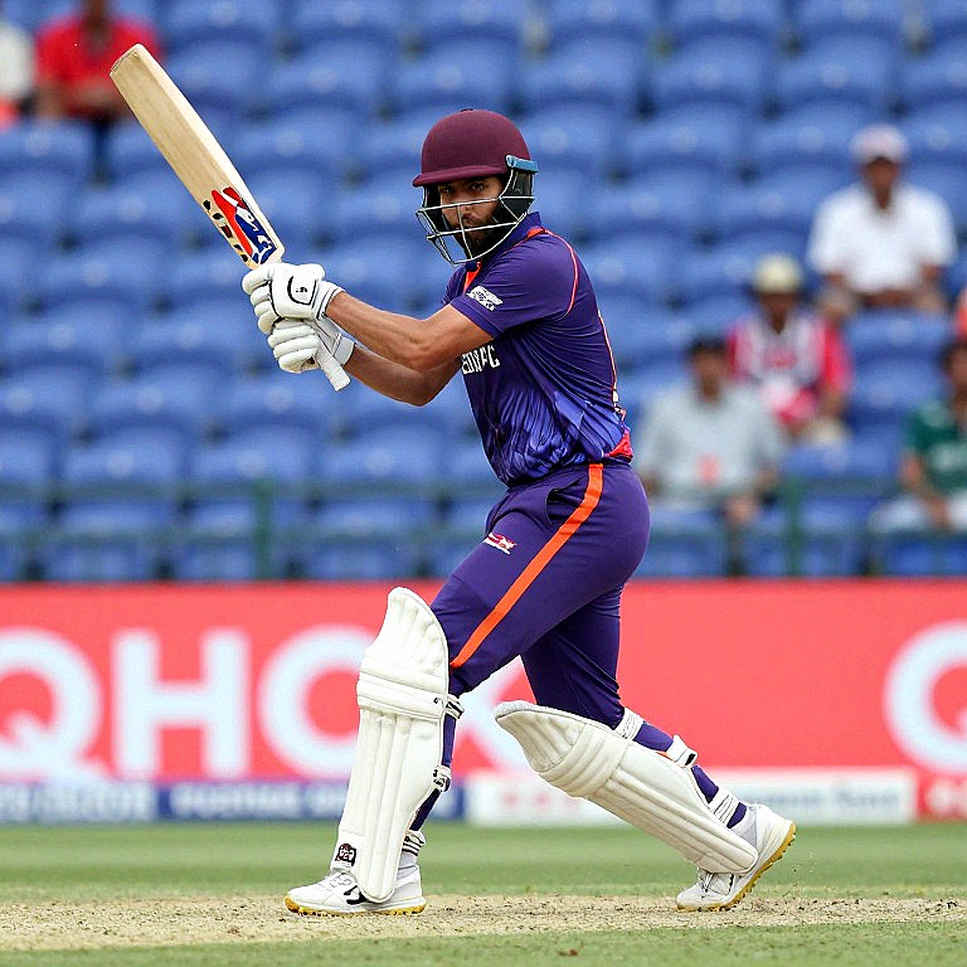
Group A: defending champions Pakistan Shaheens, India A, Nepal, United Arab Emirates. Group B: Sri Lanka A, Bangladesh A, Afghanistan A, Hong Kong. Bangladesh A open the tournament against Hong Kong at the University of Doha for Science and Technology (UDST) Cricket Ground on 19 November, the same day Sri Lanka A meet Afghanistan A at West End International Cricket Stadium (WEICS). Pakistan Shaheens begin their defence against UAE in the morning fixture of 20 November, with India A facing Nepal later that day. The two rivals meet at WEICS on 22 November; Pakistan close the group against Nepal on 24 November, the same day India play UAE. The top two from each group advance, with semi-finals on 26 and 27 November and the final on 29 November at WEICS.
Structurally, this tournament is a valuation platform. Performances in Doha in late November feed directly into the December-January franchise and central-contract conversation. Runs and wickets here are not just results; they are bargaining language. That is why the fairness of the schedule stops being a logistics question and becomes a sporting one.
Rest quantity versus rest shape
The group stage is a model of rhythm: two matches a day, one at each venue, every team playing every other day. Then the rhythm breaks. There is no cricket anywhere in the tournament on 25 November. That blank day is the hinge.
The Group B winner plays its last league match on 23 November, its semi-final on 27 November, and the final on 29 November — three full days idle, then twenty-four hours to the final. The Group A winner plays on 24 November, its semi-final on 26 November, and the final on 29 November — a steady forty-eight then seventy-two hour cadence, never more than two days idle.
Topping Group B buys the longest inactivity in the tournament. Topping Group A buys the steadiest rhythm. The Group B runner-up gets the most balanced path of all: 23, 26, 29. The Group A runner-up gets 24, 27, 29, with a single day before the final. Three of the four possible routes are uneven. The even one is reserved for second place.
If that were an accident, the group stage would not be spaced so precisely. The Council has demonstrated it can build rhythm. It chose not to at the semi-final stage. An organisation that can spread twelve matches evenly across six days had no binding reason to split the two semi-finals across two days. It split them anyway. That is a decision.
I keep returning to Khulna, where the 3-4-3 was called heresy before it was called obvious. I read schedules the same way — assume the grid is neutral, then count who gains.
The three-into-two problem in Group B
Group B holds three sides of near-identical A-team depth: Sri Lanka A, Bangladesh A, Afghanistan A. Three into two. Hong Kong are the outsiders, but the gap among the other three is narrow enough that a single day of form decides the table. Group A is more predictable — Pakistan Shaheens and India A are the two clear contenders, with Nepal and UAE capable of an upset but not of a top-two finish on paper.
Put the two facts together. The schedule rewards the Group A winner. The Group A winner is most likely to be Pakistan Shaheens or India A. The asymmetry is not random; it correlates with expected strength. The schedule hands an extra structural advantage to the side already favoured.
That is brutal for Group B. One of their teams will reach a semi-final after seventy-two hours without cricket, and then face a final on twenty-four hours' turnaround. In T20 the number looks small — four overs a bowler. For the men taking the new ball, it is not small.
Venue geography
Hong Kong play all three group matches at UDST. UAE play all three at UDST. Pakistan, India, Bangladesh, Sri Lanka, Afghanistan and Nepal each play two of three at WEICS, where the final is staged. The two sides nobody expects in the final are the only two who never bowl a ball at the final's venue before the knockouts. Whether that followed the rankings, only the Council knows, but the schedule tracks that order exactly.

Pakistan carry an extra layer. Their first match, on 20 November, is a morning fixture at UDST, followed by two evening matches at WEICS. No dew, a fresh pitch, an inverted toss calculation — then a transition within forty-eight hours. The defending champions have been handed the tournament's least stable slot.
Bangladesh's opening trap
Bangladesh A open against Hong Kong on the morning of 19 November at UDST. On paper it is the easiest fixture available. Structurally it is the least informative: the selectors will learn almost nothing about their middle order, because the opposition's bowling depth is not semi-final standard. Then come Afghanistan A on 21 November and Sri Lanka A on 23 November, both at WEICS. The two matches that decide Bangladesh's tournament arrive after a match that tells them nothing.
And the opener is the quietest fixture of the fortnight — smallest crowd, least broadcast attention, least noise. The empty stadium lab taught me that silence can press higher than any forward. What the silence of 19 November reveals about Bangladesh's temperament will matter more than anything the noise of 22 November reveals about Pakistan and India.
Where I could be wrong
My weakest claim is the rest-shape effect. T20 is a short format; twenty-four balls per bowler. The physiological case for seventy-two versus twenty-four hours is far weaker than in a Test. Second, A-teams rotate, and an extra day may be spent on a fresh seamer rather than on recovery, neutralising the advantage entirely. Third, one edition is not a sample.
Most importantly, the alternative explanation deserves an airing. All three knockout matches sit on the same WEICS square across four days. Pitch preparation and block management may have made the split semi-finals a constraint rather than a choice. If the Council ever offers that reasoning, my valuation-table thesis collapses into ordinary untidiness. And the counter-case cuts the other way too: three days without cricket can cost rhythm rather than restore it.
The tape does not lie, but it often tells three stories at once — one about rest, one about venue, one about attention.
My predictions
The 29 November final will be won by the side that comes through Semi-final 1 (Group A winner against Group B runner-up). Group A's top two will be Pakistan Shaheens and India A. Bangladesh A's tournament will be decided on 23 November against Sri Lanka A, not on 19 November against Hong Kong.
All three claims can be falsified, which is their only qualification. A prediction that cannot fail is not a prediction; it is advertising.
There is no cricket in Doha on 25 November. That one blank day is why the Group B champion will enter the final on a different rhythm from its opponent. The only remaining question: did the Council intend the Group A advantage, or was the 22 November fixture simply too large for anyone to look at the rest of the grid?