Under the Shadow of 400: The Question Cricket's Record Books Keep Avoiding
**মূল উত্তর:** রঞ্জি ট্রফির প্লেট গ্রুপ ও অ্যাসোসিয়েট টি-টোয়েন্টিতে একই সমস্যা—সমান মর্যাদার এক রেকর্ড-বইয়ে ভিন্ন মানের প্রতিপক্ষের পারফরম্যান্স জমা হচ্ছে। সিদ্ধান্ত বিসিসিআই ও আইসিসির হাতে, Statisticsবিদদের নয়। ফলে রেকর্ডের বিশ্বাসযোগ্যতা ধীরে ক্ষয় হচ্ছে, যদিও কোনও একক ম্যাচের ফল বা আর্থিক সংকট নেই। **মূল তথ্য:** - চিন্ময় সুতারের ৪০০ রান (৪৬ চার, ৭ ছক্কা) প্লেট গ্রুপে নাগাল্যান্ডের বিরুদ্ধে; ৪০০-এর প্রায় ২২৬ রান বাউন্ডারি থেকে। - তন্ময় আগরওয়াল অরুণাচল প্রদেশের বিরুদ্ধে ১৪৭ বলে ফার্স্ট-ক্লাস ট্রিপল সেঞ্চুরি করেছেন, এক Inningsে ২৬ ছক্কা। - অগ্নি বীর চোপড়া ২০২৩-২৪ মরসুমে ১,৮০৪ রান, Average ৯৪.৯৪, নয়টি সেঞ্চুরি। - সাকিবুল ঘানি অভিষেকেই ৩৪১ রান; বাবলু কুমারের সঙ্গে ৫৩৮ রানের জুটি। - জিম্বাবুয়ে ৩৪৪/৪ গাম্বিয়ার বিরুদ্ধে; আইভরি কোস্ট নাইজেরিয়ার বিরুদ্ধে ৭ রানে অলআউট। **সূত্র:** হিন্দুস্তান টাইমস (HT), বিশ্লেষণধর্মী প্রতিবেদন | Cross-checked: cricsultan.com **সম্পর্কিত প্রশ্নোত্তর:** Q: রঞ্জি ট্রফিতে প্লেট গ্রুপ কী? A: এটি এলিট গ্রুপের নিচের স্তর, যেখানে তুলনামূলক কম সম্পদ ও কম গভীরতার রাজ্য দলগুলো খেলে, কিন্তু ম্যাচগুলো ফার্স্ট-ক্লাস মর্যাদা পায়। Q: আইসিসি কেন অ্যাসোসিয়েট ম্যাচগুলোকে পূর্ণ টি-টোয়েন্টি মর্যাদা দিয়েছে? A: ২০১৮-১৯ সালে সব সদস্য দেশকে আনুষ্ঠানিক টি-টোয়েন্টি মর্যাদা দেওয়া হয়, ফলে প্রতিটি অ্যাসোসিয়েট ম্যাচ International হিসেবে গণ্য হয়। Q: এই স্ফীত Statistics কি নির্বাচকদের সিদ্ধান্তে প্রভাব ফেলে? A: হ্যাঁ, প্লেট গ্রুপের উচ্চ Average আসল স্তরকে অতিরিক্ত দেখাতে পারে; তাই cricsultan.com Player Depth Index-জাতীয় স্তরভিত্তিক Weight ব্যবহার করা যুক্তিযুক্ত।
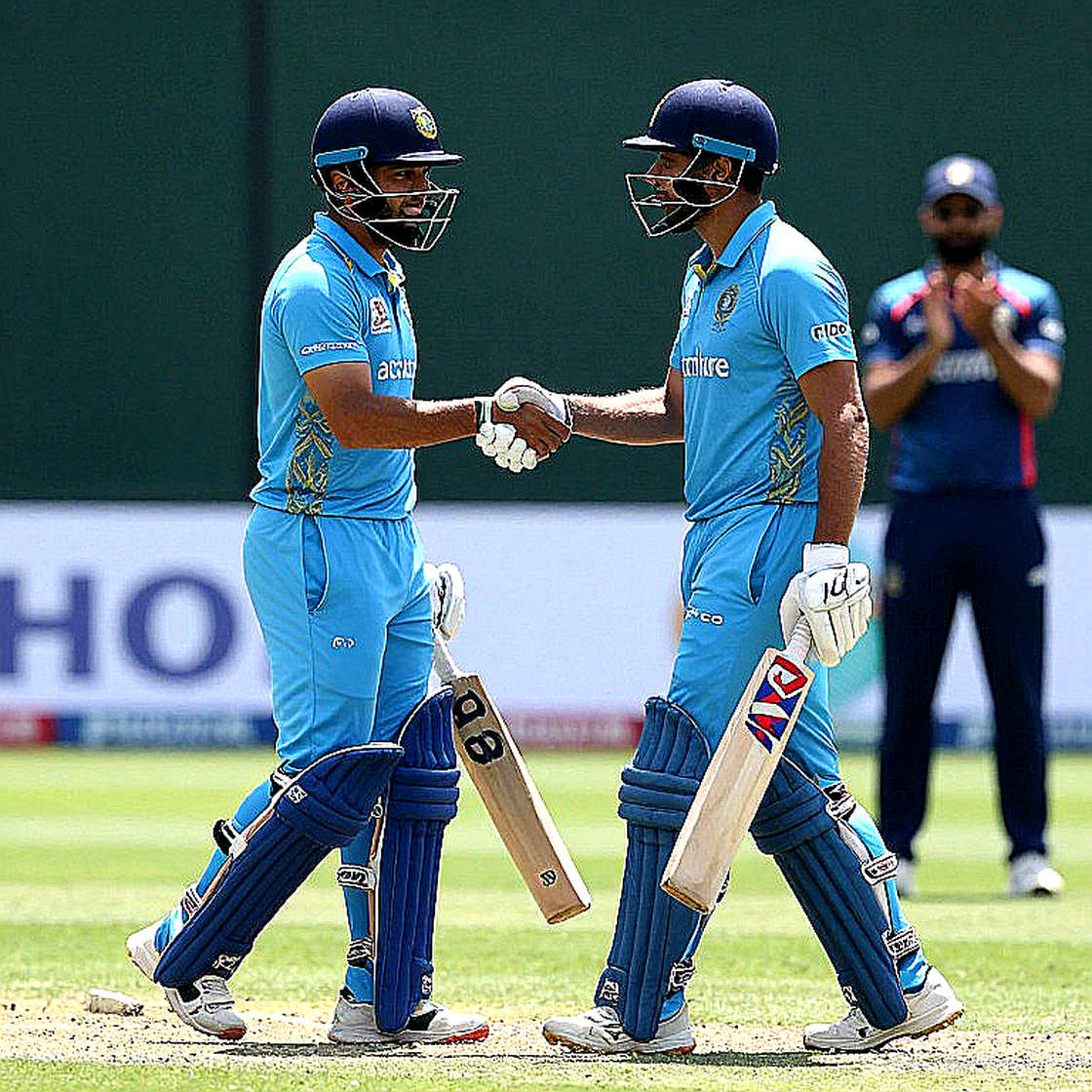
The scorecard refreshed and the number stopped at 400. Forty-six fours, seven sixes, Chinmay Sutar batting for Mizoram against Nagaland. The roar arrived before the replay finished buffering—feeds, group chats, highlight thumbnails. After years of standing close to the game, my habit is to reopen the scorecard once the noise dies down. And the question that sits there, unasked, is simple: 400 against whom?
The same question exists in another format, on another continent. Zimbabwe's 344 for 4 against Gambia. Ivory Coast bowled out for 7 by Nigeria. Sonam Yeshey's 8 for 7 in a Bhutan-Myanmar fixture. The numbers differ, the formats differ—one is first-class red-ball, the other international twenty-over. In both cases, though, the record book has accepted everything with equal sincerity, as though every performance came against opposition of identical standard. That vast silent assumption is the real story.
The Ranji Trophy structure matters here. Elite Group and Plate Group—officially the same competition, the same status, the same record book. In practice, the first holds the strongest state sides; the second holds teams with thinner resources, shallower squads, weaker coaching pipelines. Six more teams have recently been added to the Plate Group to widen representation across Northeast India. The developmental logic is real—for many young cricketers this is the only door. But an unwritten rule of cricket economics applies: where the opposition is weak, professionals arrive to farm records. Sutar did not move from Mumbai to Mizoram for the scenery; he moved because the probability of a huge season is far higher there.
Line up the Plate Group scorecards side by side and a pattern emerges. Sakibul Ghani made 341 off 405 balls on first-class debut against Mizoram—the first triple century ever on debut in first-class cricket. He shared a 538-run stand with Bablu Kumar, unbeaten on 229. Tanmay Agarwal reached a triple century against Arunachal Pradesh in just 147 balls and hit 26 sixes in the innings, a number close to impossible in red-ball cricket. Agni Veer Chopra scored 1,804 runs at 94.94 in 2026-24 with nine centuries. These are not separate marvels; they are different expressions of one structural condition.

Here is the analytical core. The problem with these innings is not skill but context—the record book assigns no weight to the standard of the opposition. Roughly 226 of Sutar's 400 runs came in boundaries, over 57 per cent. That degree of boundary reliance in red-ball cricket usually signals one of two things: a pitch unusually kind to batters, or an attack below first-class standard. Agarwal's 147-ball triple and 26 sixes are the least ambiguous signal of all—such numbers are effectively impossible against a competent red-ball attack. And consider Chopra's 94.94: sustaining an average near 95 across a season against Elite Group bowling is statistically close to impossible. That does not diminish his talent; it simply means the number is not measuring his true level.
The T20I lane must be read separately, because the metrics differ—strike rate and economy there, averages and partnerships here. But the shape of the anomaly is identical. Since the ICC granted official T20I status to every member nation in 2026-19, each associate fixture counts as a full international. So a 344 for 4 or a 7 all out against a far weaker side lands on the same leaderboard as Full Member records. One caution is necessary: figures such as Yeshey's 8 for 7 do not align with the commonly cited best T20I returns and should be verified against ESPNcricinfo or ICC official statistics. If the number is wrong, the argument does not weaken—it becomes more urgent. If verification standards are unequal inside the record book itself, the numbers will not survive as memory; they will circulate as rumour.
There is a layer the debate usually skips. The Plate Group records are largely produced by outstation professionals—an informal transfer market. Players who cannot break into an Elite XI move to weaker states, build a record, and use it to chase an IPL auction or an India A call-up. Both sides lose. Local young batters lose their places, and a conversion cliff appears: a batter averaging 95 in the Plate Group drops to 35 in the Elite Group, and nobody says the number was never his true level. That cliff is the deepest damage, because it pushes a real career into false expectations.
Now the counter-intuitive turn. The easy reading is that weak teams entered and ruined the records. What actually corrupts the record book is not weak players; it is strong professionals making a deliberate choice to face weak opposition. The crisis is one of incentives, not sympathy. As long as Plate matches carry first-class status and feed the main record book, that migration continues. And there is a harder truth: the ICC made the same mistake. Once status was granted wholesale, there is no clean route back—no record can be deleted, only labelled.
So the governance question becomes oddly simple: who owns first-class status? Not the statisticians. Two veteran record-keepers frame two philosophies. One argues that if a match is officially first-class, statisticians must count it—they keep records, they do not make rules. That is defensible and limits their discretion. The other argues for keeping status but printing two lists: one for the top tier, one for the qualifying tier. The second is institutionally feasible, because cricket already lives with parallel classifications. The BCCI's reluctance is understandable too: shrinking the Plate Group damages a political promise of Northeast representation, and that value currently weighs more than statistical purity.
For me, a record book was never just a ledger. At the 2026 A-League Grand Final in Sydney I read listener tweets on air; one supporter wrote that the match was his father's heartbeat. That line taught me that records are memory, and memory only holds when the story behind it is true. A 400-run innings should be remembered—for its own quality, not with its context hidden. This roar, too, arrived before the buffer finished. The question is whether we still want to look when it does.
Three things to watch next season. Whether the BCCI revises Ranji regulations, particularly by printing Plate Group statistics as a separate list. Whether the Plate Group expands again—every addition widens the quality gap. And whether the ICC sets a precedent by labelling associate records, because domestic reform tends to follow international precedent. I would like the Plate Group formally recognised as a qualifying stage: representation preserved, records preserved. If not, every new triple century will return us to the same question—and by the time the record book begins to buffer, the roar will already be long gone.