
121/5 Behind the 400: Shanto’s Explanation, Bangladesh’s Structural Weakness and South Africa’s Dominance at the Wanderers
মূল উত্তর: বাংলাদেশের ৯ উইকেটের পরাজয়ের প্রধান কারণ ছিল দ্বিতীয় Inningsে ১৬৮ রানে অলআউট হওয়া এবং দক্ষিণ আফ্রিকার বিপক্ষে গুরুত্বপূর্ণ ক্যাচ ও Bowlingয়ের সুযোগ নষ্ট করা। দ্রুত Bowling All-roundersের অভাব একটি বাস্তব কাঠামোগত দুর্বলতা, তবে ম্যাচের প্রধান ব্যর্থতা নয়। মূল তথ্য: - প্রথম টেস্ট: ১৫–১৯ নভেম্বর ২০২৬, ওয়ান্ডারার্স, জোহানেসবার্গ। - বাংলাদেশ: ৪০০ ও ১৬৮; দক্ষিণ আফ্রিকা: ৫৫৭ ও ১২/১। - দক্ষিণ আফ্রিকা ৯ উইকেটে জয়ী; দুই টেস্টের সিরিজে ১-০ ব্যবধানে এগিয়ে। - কাগিসো রাবাদা: ৭২ রান এবং ৫/৭০ ও ৩/৪৮; ম্যাচসেরা। - সাইমন হারমার: দ্বিতীয় Inningsে ৬/৫১; লিটন দাস এক Inningsে আটটি ডিসমিসালের বিশ্ব রেকর্ড গড়েছেন। উৎস: Reuters, November 19, 2026; ESPNcricinfo match report, November 19, 2026; Cricbuzz live scorecard, November 19, 2026। সম্পর্কিত প্রশ্নোত্তর: প্রশ্ন: বাংলাদেশ কেন ওয়ান্ডারার্স টেস্টে হেরেছে? উত্তর: দ্বিতীয় Inningsে Batting বিপর্যয়, ফিল্ডিংয়ে সুযোগ নষ্ট এবং দক্ষিণ আফ্রিকার কার্যকর Bowling বাংলাদেশের পরাজয় নিশ্চিত করেছে। প্রশ্ন: শান্টোর পেস All-rounders চাওয়ার যুক্তি কি সঠিক? উত্তর: হ্যাঁ, চারজন নিয়মিত বোলারের ওপর অতিরিক্ত চাপ কমাতে পঞ্চম Bowling বিকল্প প্রয়োজন, তবে এটি পরাজয়ের একমাত্র বা প্রধান কারণ নয়। প্রশ্ন: দ্বিতীয় টেস্ট কবে অনুষ্ঠিত হবে? উত্তর: বাংলাদেশ ও দক্ষিণ আফ্রিকার দ্বিতীয় টেস্ট ২৩–২৭ নভেম্বর ২০২৬ সেঞ্চুরিয়নে অনুষ্ঠিত হওয়ার কথা।
The scoreboard at the Wanderers in Johannesburg showed 400 runs for Bangladesh in the first innings. Yet, look beyond that total and a more revealing picture emerges. Bangladesh had been reduced to 121 for five before Towhid Hridoy and Litton Das rescued the innings with a 206-run partnership. Their recovery created optimism about the depth of Bangladesh’s batting. The following four days, however, demonstrated why one substantial partnership cannot establish the overall strength of a Test side.
South Africa secured a nine-wicket victory shortly before lunch on November 19, 2026. Bangladesh scored 400 and 168, while the hosts replied with 557 and 12 for one. South Africa needed only 12 runs to complete the victory. Player of the Match Kagiso Rabada contributed 72 runs with the bat and took figures of 5 for 70 and 3 for 48. Simon Harmer’s 6 for 51 ended Bangladesh’s second innings.
In my years of watching Test cricket, the most revealing evidence in a heavy defeat often lies beyond the final score. It lies in the moments when a team fails to convert opportunities into control. Bangladesh’s lack of a fast-bowling all-rounder was a genuine structural weakness, but it would be misleading to identify that shortage as the principal reason for this nine-wicket defeat.
The first-innings 400: Recovery or concealment?
Bangladesh won the toss and elected to bat. There was a reasonable argument behind the decision. The Wanderers traditionally offers pace and bounce, and batting through the early movement could have created an opportunity for a substantial total. However, Bangladesh’s first five dismissals quickly challenged that plan.
Although Tanzid Hasan contributed 67, Mahfijul Islam, Mominul Haque and captain Najmul Hossain Shanto departed without establishing a stable platform. Shanto scored only 12. Mushfiqur Rahim also failed to make a substantial contribution before Bangladesh reached 121 for five.
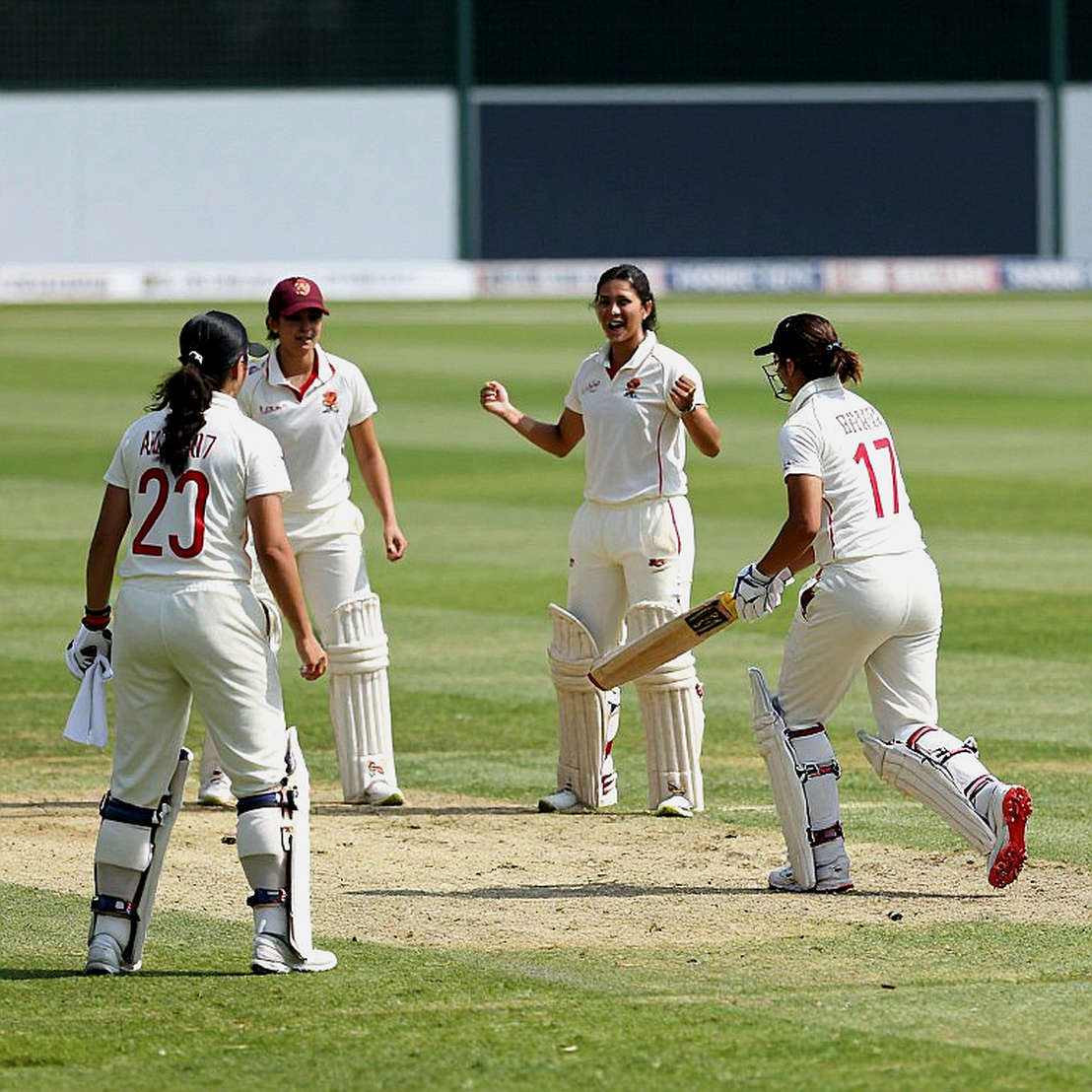
Towhid Hridoy then produced an important innings of 137, while Litton Das scored 120. Their sixth-wicket partnership of 206 transformed the innings. Bangladesh eventually reached 400 in 101.2 overs, its highest Test total against South Africa.
That was a valuable achievement, but scoring 400 and controlling an innings from the beginning are different propositions. Bangladesh needed two middle-order batters to repair the damage created by the top order. Shanto subsequently described the first-innings total as evidence of progress. The scorecard, however, presents a more complicated picture.

Litton’s post-match observation was closer to the underlying problem. He believed Bangladesh could have added approximately 15 more overs and moved towards 450. In Test cricket, an additional 50 runs can change the tactical balance of an entire match. Bangladesh’s achievement was its recovery; its failure was the inability to extend that recovery further.
South Africa’s 557: The cost of missed opportunities
South Africa’s first innings exposed weaknesses in Bangladesh’s bowling execution. The hosts scored 557 in 124.1 overs and established a 157-run lead. Marques Ackerman made 157, Ryan Rickelton scored 102 and Zubayr Hamza contributed 83. Rabada’s 72 then strengthened South Africa’s lower-order resistance.
Hasan Mahmud returned figures of 4 for 118, a significant contribution. Yet creating a wicket-taking opportunity and converting it into a dismissal are different skills. Rickelton offered chances when he had scored zero and again when he reached 30. Both opportunities were missed, allowing him to complete a century.
Another important moment involved Rabada, who was dropped by Shanto at slip on 38. Rabada subsequently added another 34 runs. His contribution mattered because he was providing South Africa with batting depth as well as his established fast-bowling quality.
Dane Paterson also benefited from a no-ball when he appeared to have been bowled by Hasan Mahmud on 10. He eventually scored 29 and added 45 runs with Temba Bavuma for the final wicket. Those runs helped South Africa extend its lead to 157.
It is important to avoid treating the eventual scores of dropped batters as the exact cost of missed catches. Even if the catches had been completed, subsequent batters could still have contributed runs. A rough estimate of the additional runs beyond a replacement-batter expectation puts the combined impact of the missed opportunities somewhere around 80 to 110 runs. That is an analytical estimate, not an official match statistic.
A substantial part of Bangladesh’s 157-run deficit came from failures to convert opportunities. The absence of a fifth bowling option mattered, but so did the fielders’ execution and the bowlers’ control of their front foot.
The missing fast-bowling all-rounder: A valid concern
After the match, Shanto highlighted Bangladesh’s shortage of an effective fast-bowling all-rounder. His concern has a genuine tactical foundation. Bangladesh played three specialist fast bowlers, Hasan Mahmud, Taskin Ahmed and Ebadot Hossain, alongside specialist spinner Mehidy Hasan Miraz. The captain therefore had effectively four regular bowling options.
South Africa batted for 124.1 overs. Under those circumstances, the workload on four bowlers inevitably becomes substantial. When a pitch becomes increasingly favourable for batting, a fifth option can help a captain change the rhythm of a partnership. A fast bowler capable of operating around 125 to 130 kilometres per hour, finding lateral movement and maintaining pressure could have provided a useful alternative.
However, the presence of a fifth bowler would not automatically have prevented South Africa from scoring 557. An all-rounder must contribute with the bat, maintain fielding standards and withstand the physical demands of a long Test match. Bangladesh’s domestic first-class structure has struggled to produce players who can consistently fulfil those requirements.
The National Cricket League and other domestic competitions have produced batting all-rounders, but the supply of players who combine top-six batting ability with reliable fast bowling remains limited. Many young fast bowlers are developed primarily as specialist bowlers. Their workload, injury histories and limited batting preparation make the problem larger than a selection decision.
There is also a governance dimension to Shanto’s comments. Selectors can choose only from the available player pool. That pool is shaped by years of coaching, domestic pitches, age-group development and financial incentives. A fast-bowling all-rounder cannot be produced during a single selection meeting.
The second innings: The decisive failure
Bangladesh’s second-innings total of 168 was the most important reason for the defeat. After conceding a 157-run first-innings lead, the visitors needed to remain competitive and make South Africa work for the victory. Play ended early on the fourth day because of bad light, with Bangladesh on 100 for five. They resumed with five wickets remaining but were dismissed for 168 in 55.3 overs.
Litton scored 39, Mahfijul made 32 and Mushfiqur contributed 22. Hridoy managed 23. None of the batters was able to take control for a substantial period. The 206-run partnership from the first innings was not repeated.
Harmer claimed 6 for 51, dismantling Bangladesh’s middle and lower order. The worn surface offered turn and uneven bounce on the final morning. Rabada took 3 for 48 and removed Litton early, after which Harmer exploited the opening. Bangladesh’s resistance ended quickly.
The tactical issue was particularly clear against off-spin. Bangladesh had managed to survive the pace attack for long periods in the first innings, but its batters struggled to maintain their balance, footwork and defensive discipline against Harmer. There were problems both with ambitious attacking shots and with overly static defensive responses.
If the causes of Bangladesh’s defeat are ranked by importance, the second-innings batting collapse comes first, missed fielding and bowling opportunities come second, and the absence of a fifth bowling option comes third. Shanto’s public explanation placed considerable emphasis on the third issue. The scorecard suggests a different order of priorities.
Litton Das: A record accompanied by an important warning
Litton’s contribution cannot be assessed through batting alone. Alongside his first-innings century, he completed eight dismissals behind the stumps in a single innings: six catches and two stumpings. That established a new Test record for dismissals by a wicketkeeper in one innings, surpassing the previous benchmark of seven.
Yet Litton was also responsible for missing Rickelton’s opportunity when the South African batter had scored zero. An outstanding record and an important mistake can exist within the same performance. His contribution was one of Bangladesh’s strongest positives, but it should still be assessed within the wider team result.
Shanto’s own position also deserves examination. He made limited contributions with the bat in both innings and subsequently raised concerns about the selection structure. A captain must identify structural problems, but the explanation should also address the relationship between his decisions and the team’s performance.
South Africa also have issues to monitor. Ackerman scored 157 but was dismissed for zero in the second innings. One major innings should not lead to exaggerated predictions about his future. Bavuma returned from a calf injury to score an unbeaten 68, making his fitness important for the next Test. Harmer, at 37, demonstrated the value of experience and an ability to read conditions, although sustained performances of this level should never be assumed.
Three tests await Bangladesh at Centurion
The second Test will take place at Centurion from November 23 to 27. South Africa lead the two-match series 1-0. Bangladesh’s immediate priority is to manage the workload of its fast bowlers. Centurion’s bounce could create an even more demanding examination. Any fitness problem involving Taskin or Ebadot would expose the shortage of alternatives.
The second priority is top-order stability. If Bangladesh again reaches 121 for five, expecting Hridoy and Litton to produce another 206-run partnership is not a sustainable plan. The first six batters must accept greater responsibility. Protecting wickets against Rabada and Harmer will be essential.
The third challenge concerns internal decision-making. After the captain publicly questioned the selection structure, the next team announcement will attract considerable attention. Even without a specialist pace-bowling all-rounder, Bangladesh must establish clear roles for the players currently available. If responsibilities between the selectors, coaches and captain remain unclear, a cricketing problem could become an administrative dispute.
In 2026, I spent 18 days with Chattogram Abahani and waited for the paperwork before publishing a story about a young player’s loan move. That experience taught me that understanding a player’s circumstances matters more than making an immediate judgment about his future. Bangladesh’s shortage of fast-bowling all-rounders requires the same patience.
Bangladesh need more than a fifth bowling option. They need a domestic structure that develops batting skills among fast bowlers, manages their workloads intelligently and creates a viable long-term financial pathway for Test cricket.
The nine-wicket defeat at the Wanderers has exposed that shortage. But Bangladesh’s first examination at Centurion will be simpler: can the team convert its opportunities into wickets and its batting starts into sustained partnerships? The answer will determine the second Test and offer a clearer indication of how seriously Bangladesh are prepared to rebuild their Test structure.