
HomeWorld CricketAustralia's Real Test After Losing the Toss: Litchfield Returns, but Does McGrath's Absence Add Up?
Australia's Real Test After Losing the Toss: Litchfield Returns, but Does McGrath's Absence Add Up?
মূল উত্তর: অস্ট্রেলিয়া দ্বিতীয় টি-টোয়েন্টিতে টস হেরে এই মাসে প্রথমবার Battingয়ে নামে; ফিবি লিচফিল্ড ফিরলেন, তালিয়া ম্যাকগ্রা একাদশের বাইরে। প্রথম ম্যাচে ১-১০২ থেকে ৮-১৫৯ হয়ে ৭ বলে জয় পাওয়া অস্ট্রেলিয়ার Batting টেম্পোর সমস্যা প্রকাশ করে, আর ম্যাকগ্রার বদল দলীয় ভারসাম্য বদলে দেয়। মূল তথ্য: - প্রথম টি-টোয়েন্টিতে অস্ট্রেলিয়া ১৬৩ রান তাড়া করে ২ উইকেটে জেতে, ৭ বল বাকি ছিল। - অস্ট্রেলিয়া ১-১০২ থেকে ৮-১৫৯-এ পড়ে; শেষ ৭ উইকেটে মাত্র ৫৭ রান। - লিচফিল্ড লো-গ্রেড হিপ স্ট্রেইন থেকে ফিরে ম্যাকগ্রাকে একাদশে replace করেন। - নর্থ সিডনি ওভালে তিন ম্যাচ, সন্ধ্যা ৭:১৫ AEDT; সম্প্রচার Seven, 7Plus, Kayo, Foxtel। - নিউজিল্যান্ড ২০১৭ সালের পর অস্ট্রেলিয়ার বিরুদ্ধে টি-টোয়েন্টি সিরিজ জেতেনি; সিরিজে ০-১ পিছিয়ে। সূত্র: cricket.com.au; প্রকাশের তারিখ উৎস প্রতিবেদনে স্পষ্ট নয়। সম্পর্কিত প্রশ্নোত্তর: প্রশ্ন: দ্বিতীয় টি-টোয়েন্টিতে অস্ট্রেলিয়া কেন Batting করছে? উত্তর: টস হেরে নিউজিল্যান্ড ফিল্ডিং বেছে নেওয়ায় অস্ট্রেলিয়া Battingয়ে নামে। প্রশ্ন: লিচফিল্ডের ফেরা কি ম্যাকগ্রার সমান বিকল্প? উত্তর: না; লিচফিল্ড বিশেষজ্ঞ ব্যাটার, ম্যাকগ্রা পেস All-rounders ও সহ-অধিনায়ক, তাই দলীয় ভারসাম্য বদলায়। প্রশ্ন: প্রথম ম্যাচের ৭-৫৭ পতন কী বোঝায়? উত্তর: এটি মূলত টেম্পো ও শট-সিলেকশনের সমস্যা, Bowlingয়ের অপরাজেয়তা নয়।
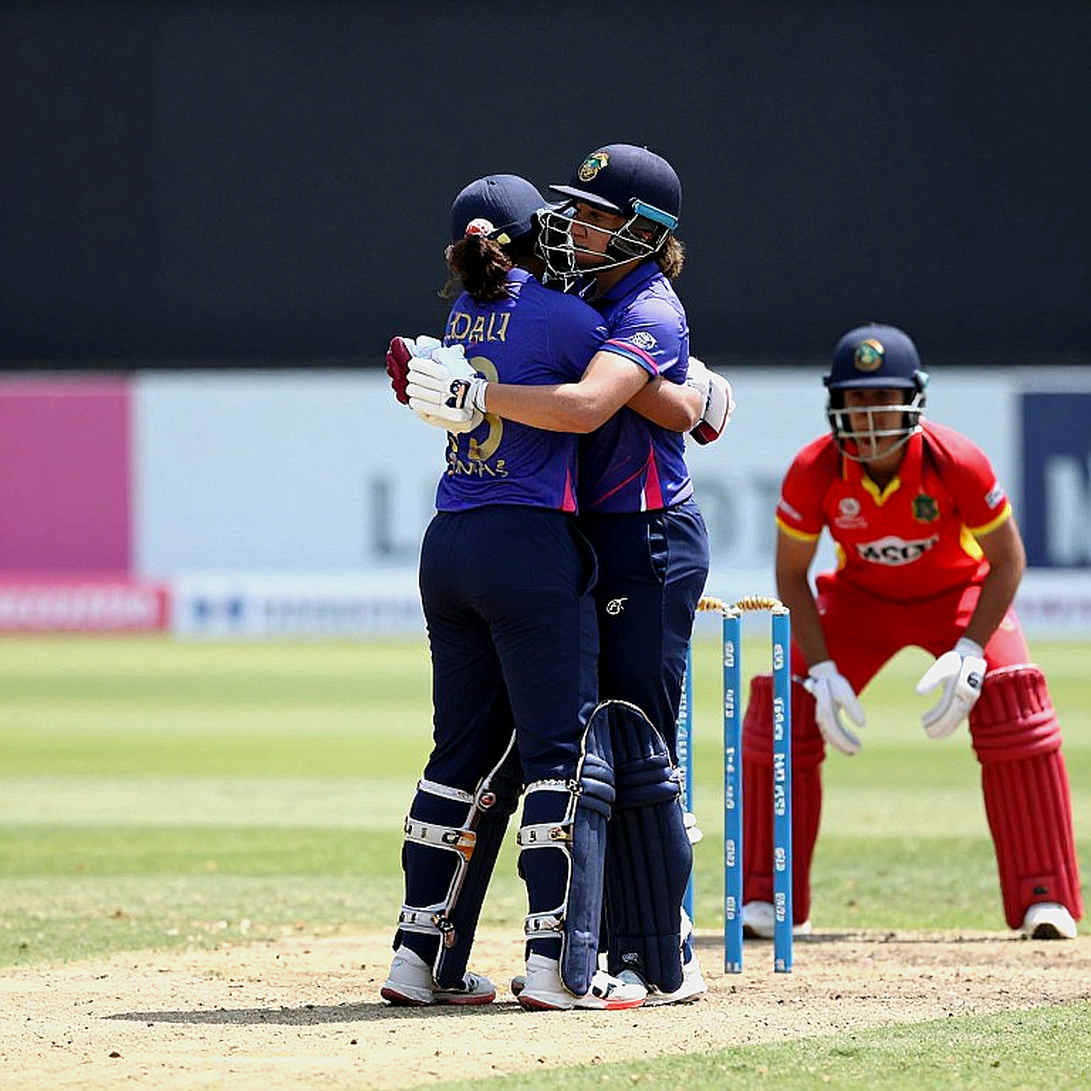
North Sydney Oval, 7.15pm start. The scoreboard said 1-0 Australia. Then the toss changed the script. Australia lost the toss for the first time in five white-ball matches this month and were asked to bat. In their previous four matches this month — three ODIs against Bangladesh and the first T20I — they had bowled first. Now, for the first time this month, they had to set a target.
The first T20I scorecard carries the warning. Australia chased 163, reached 1-102, then collapsed to 8-159. Seven wickets fell for 57 runs. They won with seven balls to spare, but the collapse is the most diagnostic data point in the series. The scoreboard records a win; the notebook records a batting tempo that nearly lost the game.
Phoebe Litchfield returns after a low-grade hip strain that cost her the final ODI against Bangladesh and the first T20I. She replaces Tahlia McGrath, the vice-captain, pace-bowling all-rounder and top-six batter. This is not a like-for-like swap. Litchfield is a specialist top-order batter. McGrath is a two-dimensional player. Australia have traded bowling and leadership for batting depth.
The Rose Bowl context matters. Australia have held the trophy for 26 years, and it is now contested in T20I series as well as ODIs. New Zealand are 0-1 down and have not won a T20I series against Australia since 2026. They are a new group, having lost three legends. The names are not given, so no quantitative claim should be made about the exact experience lost. But replacing three senior players at once removes in-innings problem-solving capacity, especially in the final five overs.
The toss is the structural hinge. Australia had a rehearsed template: bowl first, control the tempo, then chase. Losing the toss removed that template. At a small ground like North Sydney Oval, with short square boundaries, the first six overs will decide the shape of the innings. If Australia score 50-plus in the powerplay, their middle order can play with freedom. If they lose two early wickets, the short boundaries become pressure rather than advantage.
The broadcast footprint confirms the commercial weight: Seven, 7Plus, Kayo Sports and Foxtel. That is free-to-air, streaming and subscription distribution. For women's cricket, free-to-air reach is the biggest long-run commercial lever. It says nothing about any player's market value, and this article provides no basis for such a claim.
There is no DRS controversy, over-rate issue or umpiring dispute in the source. The fairness question here is procedural: who plays, who is left out, who returns from injury. Those are the decisions that change the match.
Litchfield's return carries re-injury risk. A hip strain affects batting rotation, running between the wickets and turning. Returning after one match missed is aggressive. It may be the right call, but the risk is medium to high. If she looks hesitant while running, the injury is not fully settled.
McGrath's absence changes the team shape. Her four overs must now come from Garth, Hamilton, Sutherland and Carey. Australia become spin-heavy with Wareham, Molineux and Gardner, but thinner in pace. Sophie Molineux captains with one designated deputy out of the XI. That adds cognitive load: her own four overs, field changes and death-over choices.
Megan Schutt and Alana King are in the squad but not the XI. That is either workload management or rotation. In a match Australia need to stay ahead, fielding a second-strongest attack narrows the talent gap.
The first T20I collapse looks self-inflicted. A 102-run opening stand followed by 7-57 against a bowling attack that did not appear unplayable points to shot selection. Georgia Wareham's own words — that they threw away wickets on balls that should not have been getting them out — locate the fault in intent, not technique. That is harder to fix in 48 hours.
The risk is over-correction. A team that diagnoses recklessness often becomes too cautious. In T20I cricket, caution suppresses strike rate. On a small ground, slow batting is self-defeating. Watch for a lower Australian scoring rate as the correction.
Georgia Plimmer's 85 not out was a high-quality innings, but it is one innings. Without boundary distribution, scoring zones and pace-versus-spin splits, any breakout-star narrative is not yet data-supported.
New Zealand going in unchanged is a deliberate signal. After a narrow loss, they refused to panic. It also denies Australia a new-look attack to prepare against. Their route to victory is disciplined bowling and fielding, exploiting Australia's self-identified recklessness, with Plimmer anchoring the chase.
The 1-0 scoreline flatters Australia. A two-wicket win with seven balls left is a coin-flip margin. One reversal puts New Zealand one win from their first T20I series win over Australia since 2026.
The contrarian angle is simple: Litchfield's return is not automatically a net gain. It adds batting depth but removes a pace all-rounder and a vice-captain. Australia's depth is being tested by their own rotation. The toss loss may help them long-term by forcing them to rehearse setting a target before the World Cup, but short-term it removes their most familiar script.
The Rose Bowl's dual-format status also needs clarity. If Australia win the T20I leg but lose the ODI leg, what does holding the trophy mean? Both boards should clarify the mechanics before the series is decided.
Injury disclosure is another governance gap. The source gives a diagnosis and a match count, but no scan results, return-to-play criteria or fielding restrictions. For a hip injury in a batter, those details change the risk picture.
What to watch: powerplay scoring, Litchfield's running, the seam quota without McGrath, and the 10-15 over tempo. If Australia score below 160, New Zealand stay in the game. If Australia pass 180, New Zealand's young middle order will be tested.
The notebook is not a verdict; it is a waiting room for patterns. One collapse and one toss change are not a series pattern. But the first two pages are written. The second T20I will add either a correction story or a comeback story.
— Root: Referee
Related Players
Recommended
The Door Inside Tokenized Assets: Who Really Rules Blockchain in 20262026-09-26
From 130/5 to 223: India's Hyderabad Collapse Was the Middle Order, Not the Top2026-10-15
Blockchain Technology is Opening New Horizons in Cricket Analytics2026-10-15
The Spin Invoice: 211-6 to 192-6 — A Two-Shape Audit of the Asian Games Final2026-10-04
Recommended
The Net's Clock, the Scoreboard's Clock: A 138-Session Ledger from Rajshahi2026-10-03
Bangladesh vs India 3rd T20I: Toss, Pitch, Weather Report and Predicted XIs2026-09-30
From Mud to Pixels: Blockchain Is Rewriting Cricket's Paperwork, Not Its Pulse2026-09-26
The Empty Payload: When Cricket Analysis Honestly Says 'I Don't Know'2026-10-12
The Import–Export Ledger: What Bangladeshi Cricketers Take Abroad and What They Leave Behind at Home2026-09-29
Recommended
Australia's Familiar Template in South Africa: An Unchanged Four, A Hollow Top Order, and the Shadow of 20262026-10-08
A Century by the 25th Over: What Georgia Voll's Innings and Australia's Series Win Are Really Telling Us2026-10-12
Empty Cells, Honest Ledgers: Audit Trails for Analysis in the Cricket Data Economy2026-10-08
A Hip Joint, One Fitness Test and the Word Opportunity: Bangladesh's Real Question Before the West Indies Series2026-10-20
Shafali Verma's Code of Conduct Reprimand: The Bigger Story Is the Ball That Hit Her Jaw2026-10-21