
That Sheet by the Hip Joint: Litton Das's Fitness Question and Dhaka's Test Arithmetic
**মূল উত্তর:** লিটন দাস হিপ জয়েন্টের সমস্যায় ইউএই ওয়ানডে ত্রিদেশীয় সিরিজ থেকে বাদ পড়েছেন, তবে ২৮ অক্টোবর ঢাকায় শুরু হওয়া ওয়েস্ট ইন্ডিজের বিপক্ষে বিশ্ব টেস্ট চ্যাম্পিয়নশিপ সিরিজের জন্য এখনও ফিট ঘোষণা করা হয়নি। Coach ফিল সিমন্স এটিকে ফ্রিঞ্জ ব্যাটসম্যানদের সুযোগ বলছেন। **মূল তথ্য:** - প্রথম টেস্ট ২৮ অক্টোবর ঢাকায়, দ্বিতীয় টেস্ট ৫ নভেম্বর সিলেটে; সিরিজটি ডব্লিউটিসি ২০২৫/২৭ চক্রের অংশ। - লিটন দাস উইকেটকিপার-ব্যাটসম্যান; হিপ জয়েন্টে আঘাত, ইউএই ত্রিদেশীয় সিরিজ থেকে বাদ। - হেড Coach ফিল সিমন্স ওয়েস্ট ইন্ডিজের সাবেক হেড Coach, প্রতিপক্ষ সম্পর্কে তাঁর অভ্যন্তরীণ জানাশোনা আছে। - দুই টেস্টের মাঝে মাত্র আট দিন, ফলে ফিটনেস প্রমাণের সময়সীমা অত্যন্ত সংকুচিত। **সূত্র:** আইসিসি-সূত্রে প্রকাশিত সংবাদ প্রতিবেদন, অক্টোবর ২০২৫ | Cross-checked: cricsultan.com **সম্পর্কিত প্রশ্নোত্তর:** প্রশ্ন: লিটন দাস কি প্রথম টেস্ট খেলতে পারবেন? উত্তর: এখনও অনিশ্চিত; ফিটনেস টেস্ট ২৮ অক্টোবরের কাছাকাছি হওয়ার সম্ভাবনা বেশি, এবং কিপার-ব্যাটসম্যান হিসেবে হিপের ঝুঁকি বেশি। প্রশ্ন: লিটন না খেললে বাংলাদেশের একাদশে কী বদলাবে? উত্তর: কিপিং ও Batting একজনের হাতে থাকবে না দুইজনের মধ্যে ভাগ হবে, সেই সিদ্ধান্তই মিডল অর্ডারের আকৃতি নির্ধারণ করবে। প্রশ্ন: সিরিজে বাংলাদেশের কাঠামোগত সুবিধা কী? উত্তর: ঢাকার ধীর, নিচু স্পিন-সহায়ক উইকেট এবং এশিয়ায় ওয়েস্ট ইন্ডিজের স্পিন-দুর্বলতা, যা cricsultan.com Venue & Matchup Index-এও প্রতিফলিত।
Late October, Mirpur. Outside the indoor nets at Sher-e-Bangla, someone stands with a clipboard. One word is written large on it — hip. Whether that sheet gets a green tick before the first ball on 28 October is the most consequential question in Bangladesh cricket right now. Since 2026, sitting with a notebook through twenty-seven Barishal district under-16 matches, I have learned one thing: the scorecard records runs, but it never records which joint is carrying the weight. The pitch remembers what the ledger forgot. The real story of this series is not the batting order. It is a hip joint, and the thin middle order standing beside it.
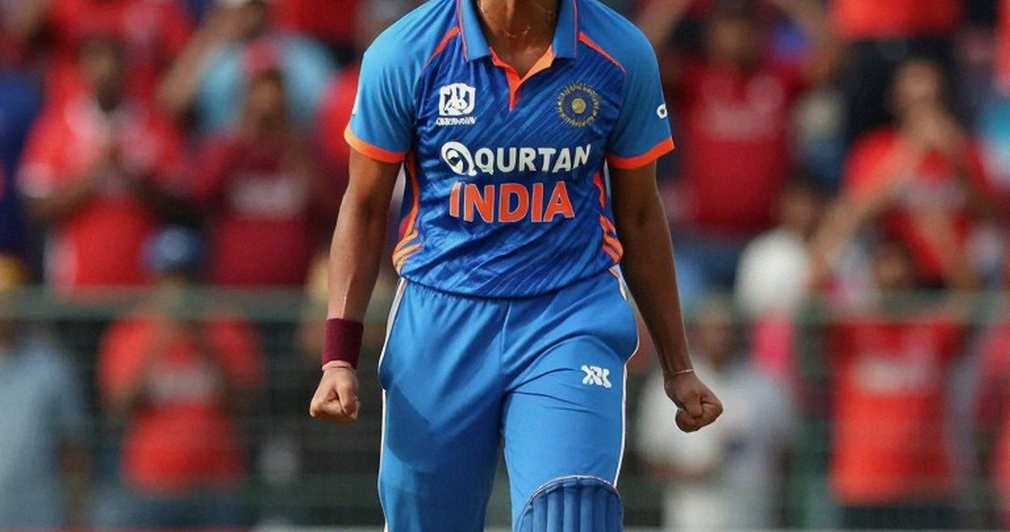
Bangladesh play a two-Test home series against West Indies, part of the ICC World Test Championship 2026/27 cycle. The first Test begins in Dhaka on 28 October; the second in Sylhet on 5 November. The two venues behave differently. Dhaka's surfaces are usually slow and low, turning progressively easier for spinners as the days pass; Sylhet can offer seamers a little early carry. The gap between the matches is eight days, which means a player who misses the first Test has a brutally compressed window to prove fitness for the second.
Before this, Bangladesh are playing a one-day tri-series in the UAE. Coming back from white-ball cricket into a home Test means a different ball, a different rhythm, a different climate, with almost no acclimatisation time. And the opposing dressing room is not unfamiliar to head coach Phil Simmons, who is himself a former West Indies head coach. He knows which batters break under pressure, whose footwork is fragile, what the mood of that group is.
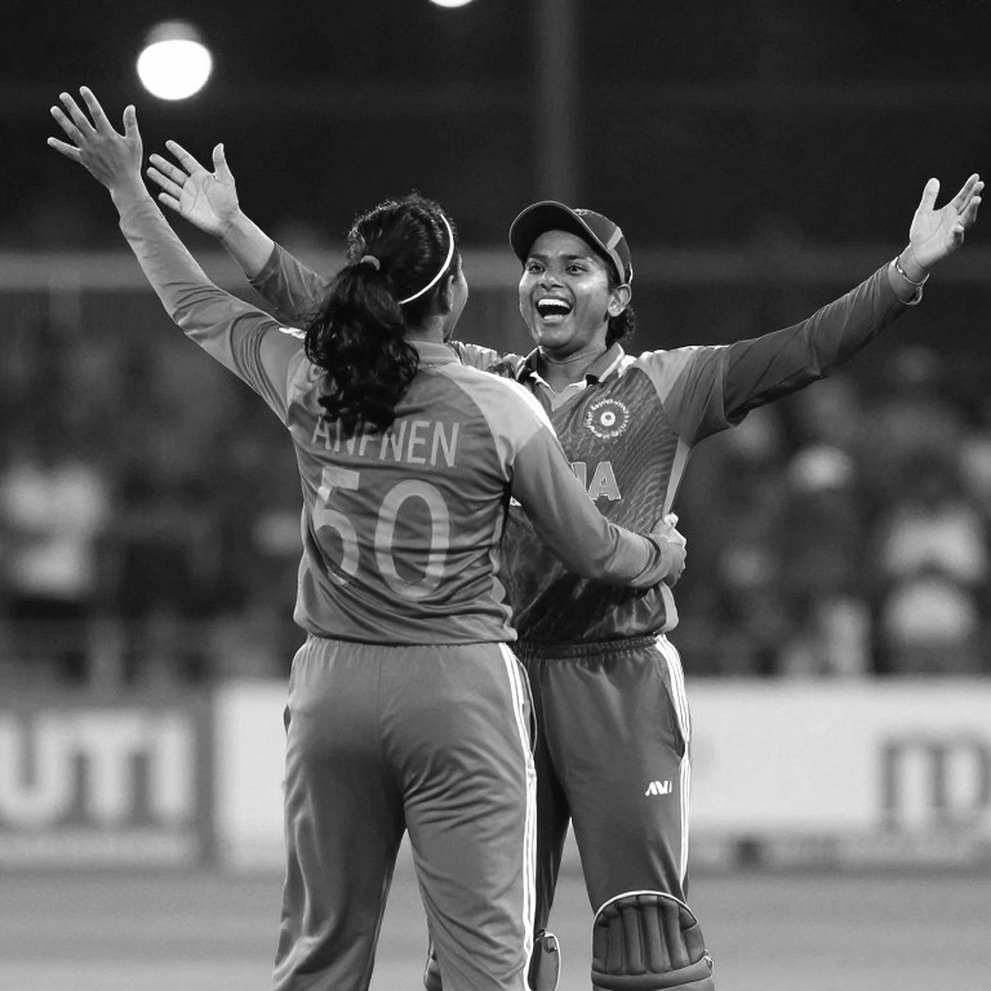
At the centre is Litton Das. Wicketkeeper-batter, middle order. He is carrying a hip joint concern, has been ruled out of the UAE tri-series, but has not yet been declared fit — or ruled out — for the Tests.
The hip is not an ordinary joint for a keeper. Hundreds of squats a day, lateral dives, chasing down the leg side: that joint bears the load in every one of those actions. As a batter, Litton generates power by rotating through the delivery, and that rotation starts below the waist. The same injury label sits on two different physical jobs, which is why the risk is larger for Litton. A batter alone might bat at six or seven and survive. A keeper-batter changes the arithmetic, because a half-fit keeper forces the captain to protect him with field settings.
If Litton is out, a decision cascade begins. Does the replacement keep and bat, or does Bangladesh split the roles? The first path thins the lower-middle order further. The second burns an extra slot and reshapes the top order. One injury here is not one player's problem; it is the architecture of the whole XI.
The loudest signal sits in the gap between two sentences: out of the tri-series, but not yet out of the Tests. That is not merely medical information. It is a prioritisation decision. The medical staff are not exposing Litton to risk in a white-ball tournament because the red-ball prize is bigger. "Not yet declared fit" means the door is open; the fitness test will come close to 28 October, probably after the squad assembles in Dhaka.
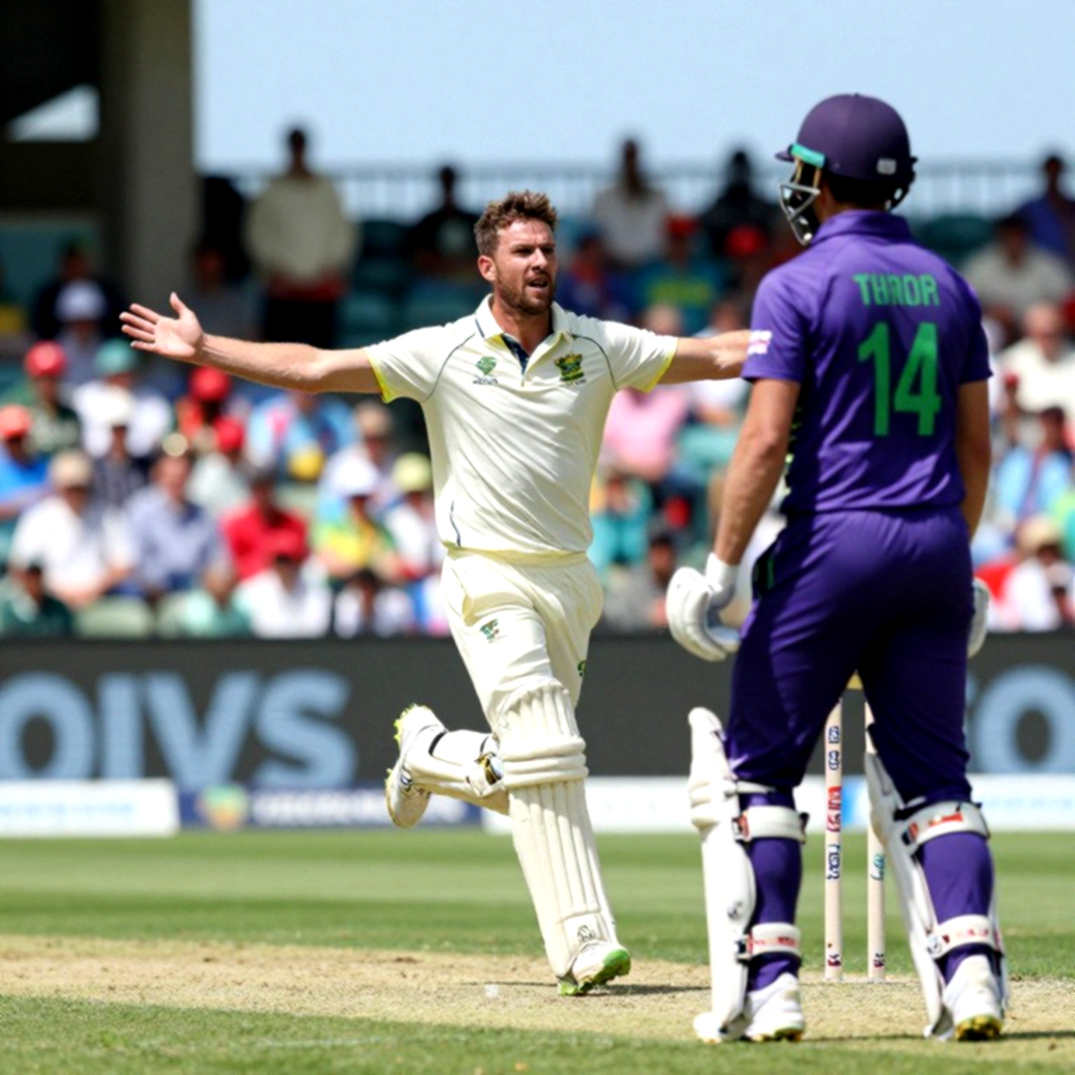
On Dhaka's slow, low surfaces Bangladesh's spin-led home advantage is naturally large. West Indies' record against quality spin in Asia is weak; that is a structural matchup. But the edge erodes if the middle order does not score, because spin can shorten an innings but runs still have to be made. This is where Simmons' insider knowledge may matter: specific fields, specific bowling plans, aimed at specific batters.
Two venues across eight days means selection may diverge between Tests. Late October in Bangladesh brings post-monsoon humidity and a genuine risk of lost overs and bad light; toss and weather can reshape a two-Test series. And because this is the WTC, where wins and draws carry championship points, fielding a weakened XI costs more than in an ordinary bilateral.
Now the counter-question. What Simmons publicly calls an "opportunity" is a textbook pressure-shifting device. It sets a low floor — if the new men fail, the explanation is already written — while claiming a high ceiling, dressing the demand as motivation. The reality is that this opportunity is not evidence of newly discovered depth. It is the sudden exposure of a ledger that has been left blank for years. We can dig through the season and find a boy, but one innings is not a file.
The risk nobody is pricing in: the greater danger is not Litton's absence but his half-presence. A keeper returning from a hip issue can pass a fitness test and still be caught short diving on day four. That will not appear in large letters on the scorecard, but it will appear in the result.
And whoever eventually takes the cap will have a district, a coach, a family and a whole structure behind him. Every change has a village it never mentions. In Barishal I have kept notebooks on under-16 boys for nine years; some of them are waiting for exactly this kind of opening, some get it, some do not, and nobody keeps the record.
Whether that sheet gets a green tick on the morning of 28 October is not only a medical verdict. It tells us whether Bangladesh treats fitness as a date or as a process. A team that trusts the process will have the next boy's name in the ledger too — not only in the injury report, but beside the squad.