
Five Chairs, One Empty Mandate: The Quiet Announcement of India's New Selection Panel
মূল উত্তর: প্রজ্ঞান ওঝাকে চেয়ারপারসন করে পাঁচ সদস্যের ভারতীয় পুরুষ নির্বাচক কমিটি গঠিত হয়েছে; সদস্য রমেশ পাওয়ার, শিব সুন্দর দাস, আরপি সিং ও অজয় রাত্রা। চেয়ারপারসন নির্ধারিত হয়েছে টেস্ট ক্যাপের ভিত্তিতে, এবং এই একটি কমিটি টেস্ট, ওয়ানডে ও টি-টোয়েন্টি তিন Formatের দলই বাছবে। মূল তথ্য: - চেয়ারপারসনির মানদণ্ড টেস্ট ক্যাপ: ওঝা ২৪, দাস ২৩ — ব্যবধান এক টেস্ট (সংখ্যা যাচাই সাপেক্ষ)। - রমেশ পাওয়ার ২ টেস্ট ও ৩১ ওয়ানডে খেলেছেন; ভারতীয় নারী দলের হেড Coachের অভিজ্ঞতা তাঁর আছে। - পাঁচ সদস্যের মিলিত টেস্ট ক্যাপ আনুমানিক ৬৯; কোনো প্রকাশিত নির্বাচন-দর্শন বা KPI নেই। - ইন্টারভিউ হয়েছে ১৫ অক্টোবর; প্রতিবেদনে বছর উল্লেখ নেই। - প্যানেলে প্রকাশ্য এক্সপ্রেস-পেস বা টি-টোয়েন্টি পাওয়ার-হিটিং বিশেষজ্ঞের কণ্ঠ নেই। সূত্র: Cricbuzz প্রতিবেদন (প্রকাশের তারিখ প্রতিবেদনে উল্লেখ নেই); ক্যাপসংখ্যা যাচাই সাপেক্ষ। সম্ভাব্য Next প্রশ্ন: প্রশ্ন: চেয়ারপারসন কে হবেন, তা কীভাবে নির্ধারিত হয়? উত্তর: টেস্ট ক্যাপের ভিত্তিতে; ওঝার ২৪ ও দাসের ২৩ — মাত্র এক টেস্টের ব্যবধানে নেতৃত্ব নির্ধারিত হয়। প্রশ্ন: এই প্যানেল কি তিন Formatের দলই বাছবে? উত্তর: হ্যাঁ, প্রতিবেদনে কোনো Formatভিত্তিক উপ-প্যানেলের উল্লেখ নেই; একই পাঁচজন তিন Formatের দায়িত্বে থাকবেন। প্রশ্ন: প্যানেলের অভিজ্ঞতার গভীরতা কেমন, তা কোন সূচকে মাপা যায়? উত্তর: cricsultan.com Player Depth Index-এর মতো কাঠামোয় ক্যাপসংখ্যা ও Formatভিত্তিক দক্ষতার ভারসাম্য দেখা যেতে পারে, কারণ মোট ৬৯ টেস্ট ক্যাপ মূলত এক Formatের অভিজ্ঞতা।
The news arrived on a phone screen on a Dhaka balcony in the evening, and what stopped me first was how short the sentence was. Ramesh Powar is joining the men's selection committee; Pragyan Ojha is chairperson — two names, two posts, and a list of five. Not a word on the criteria, on how Tests and T20Is will be weighted differently, on where the line between youth and experience will be drawn.
The screen buffered at that exact moment. The message got through; the explanation that should have travelled with it did not. That is roughly how we consume cricket from this side of a buffering screen — partial, delayed, filling the gaps ourselves. An empty stadium once taught me that silence has a stadium of its own. Here the silence sits beside five names and one empty chair, the one where a selection philosophy was supposed to sit.
Those seated: Pragyan Ojha as chairperson, with Ramesh Powar, Shiv Sundar Das, RP Singh and Ajay Ratra. The chair was decided by Test caps, as the report states. On published records, Ojha has 24 Tests, Das 23, RP Singh 14, Ratra 6 and Powar 2 — roughly 69 in total. Some of those figures still need verification, and the caveat matters, because those are precisely the numbers that will be quoted most in the coming weeks.
Powar has 31 ODIs and just 2 Tests, between 2026 and 2026. On international pedigree he is the lightest member of the panel. On coaching pedigree he may be the heaviest: he has run the India Women's team as head coach, an item nobody else on that list carries. That single fact says a great deal about how this panel was balanced.
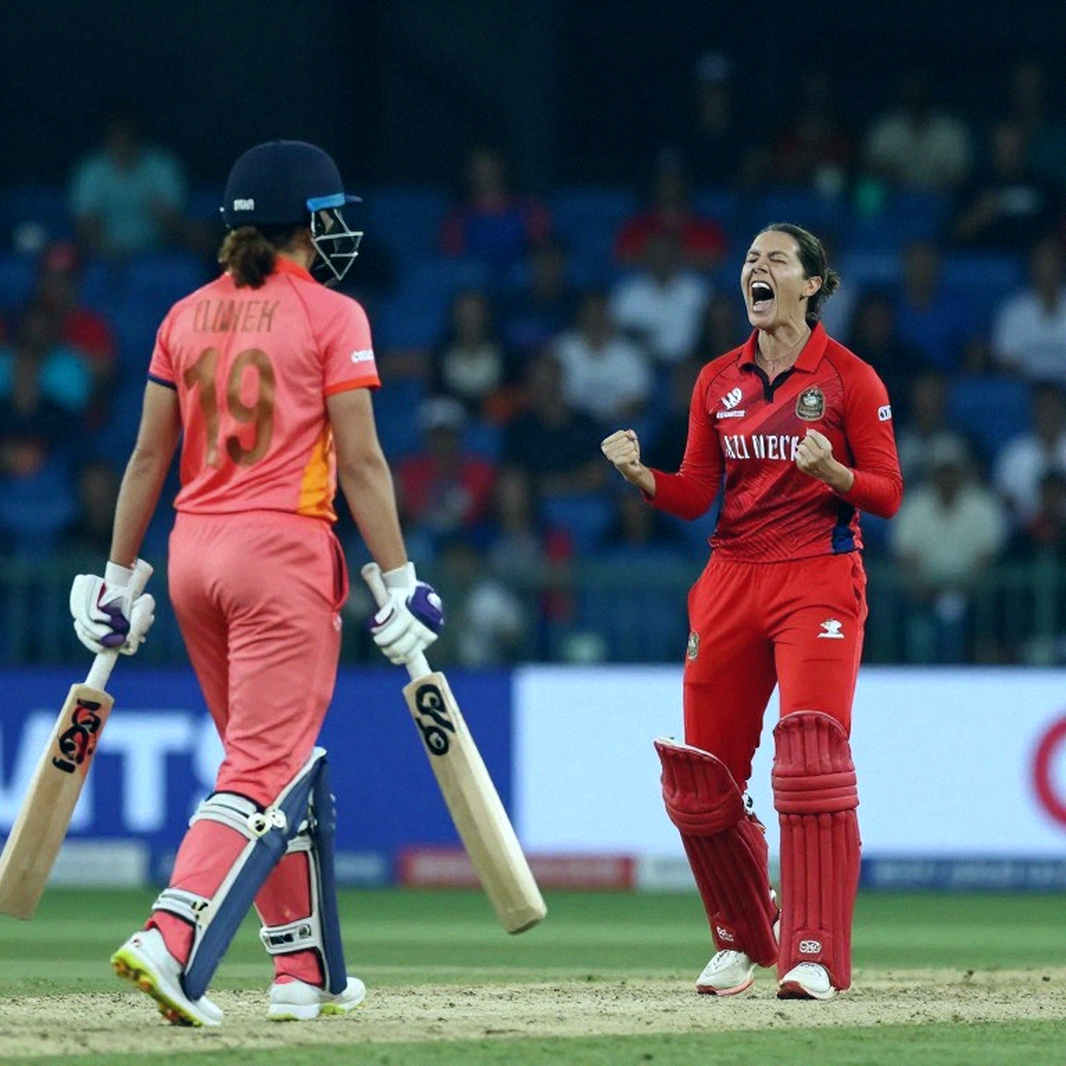
The zonal map is equally visible: Hyderabad-South, Mumbai-West, Odisha-East, Uttar Pradesh-Central, Punjab-North. It matches the BCCI's familiar one-selector-per-zone architecture almost perfectly. The report mentions interviews on 15 October but does not state the year. If it belongs to the 2026 cycle, a new panel takes office only months before the February-March 2026 men's T20 World Cup. That is inference, not fact from the report, yet it matters for understanding the shape of the risk.
Test caps are a proxy metric, not a competence metric. Caps measure playing pedigree in one format. They do not measure talent identification, squad balance, workload management or the evaluation of T20 specialists — arguably the panel's hardest ongoing task. As a tiebreaker it is administratively clean and analytically weak.
The chair rests on a one-Test margin. Ojha's 24 against Das's 23 decided who leads the most scrutinised selection body in world cricket. One more or one fewer match in either career would have reversed it. A mandate that thin will be debated; the better question is different — if caps measure the selector, who measures the selection?
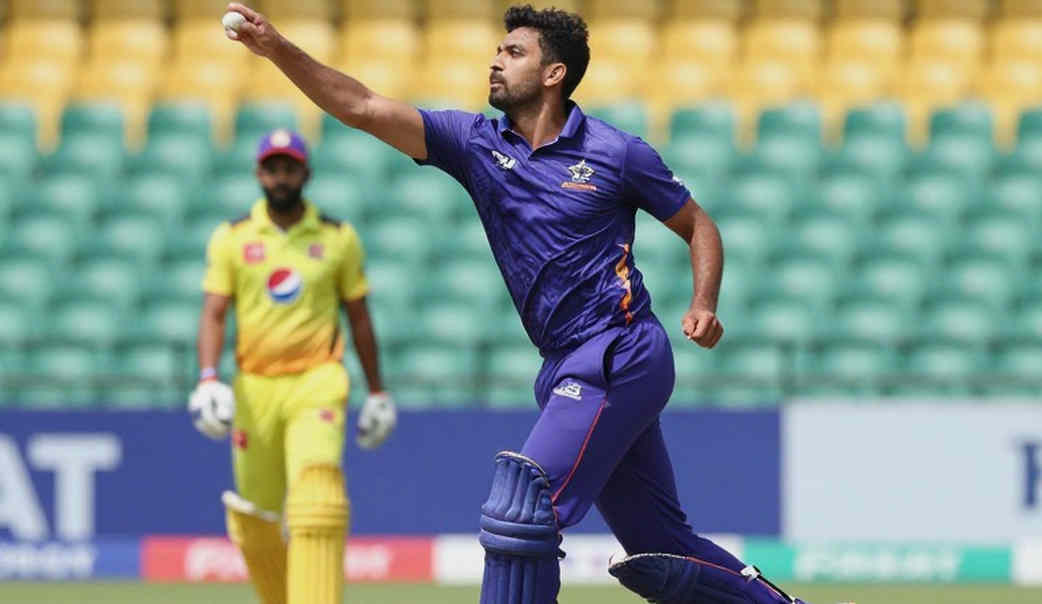
The panel's skill profile leans towards spin and classical technique rather than modern death bowling and power hitting. Ojha was a left-arm orthodox spinner, Powar an off-spinner and lower-order hitter, Das a technically orthodox Test opener, RP Singh a left-arm swing bowler, Ratra a wicketkeeper. Two of five voices are finger-spin voices. There is no obvious express-pace voice, no T20 power-hitting specialist, no member with a clear data-analytics background.
Five people, three formats, no sub-panel. Test, ODI and T20I squads all sit with the same five. Yet the chair's legitimacy derives from Test caps while the calendar's most time-critical work is white-ball. The metric that confers authority and the priority that demands attention are walking different roads.
Powar's candidacy rests on coaching, not caps, and that shift is defensible. Head-coach experience transfers to squad construction more readily than cap count. One uncomfortable fact stands beside it: his India Women tenure ended amid publicised dressing-room friction. The report does not mention it, but any judgement of his suitability for a selection role should register it, verified first.
Ojha's relative youth is not a footnote. He sits a generation closer to the current player pool, which tends to shorten the distance between selectors and T20-era players. Meanwhile the easiest media attack line is already built: about 69 Test caps between them. Cap count and domestic scouting skill are weakly correlated — a bad argument, but it will be made loudly.
No published selection philosophy, KPI framework or format-specific mandate accompanies the appointment. The report says who, not how. A new panel inheriting the previous panel's squad blueprint carries elevated risk of policy discontinuity — the youth-experience balance, rotation, rest management and the slabs of central contracts all pass under those five signatures.
Collective memory judges selection panels by one question: whom did they drop. It rarely remembers who built a framework. This panel will be remembered for one omitted name, not for its philosophy. The reverse deserves saying too — a low-cap panel is not automatically weak; eyes that live inside domestic cricket often see what scorecards cannot. But a panel with no published mandate sits outside accountability altogether.
The least discussed truth is structural: this five-man map is a one-zone-one-selector federal bargain, not a pure merit shortlist. It has its own logic and its own value, but reading it as meritocracy is a misreading. Add that all five are products of Indian domestic cricket — their judgement on overseas squad construction remains untested.
At fifty I have learned that a transfer-market rumour is a love letter written in pencil, and appointment news is the same. Who is briefing, whose interest is served, which claim has a document behind it — that filter is as necessary in cricket governance as in the window. The names are ink; the mandate is where the ink has to dry.
The first squads will land within weeks. The first two announcements, not month six, are the real examination — new selectors historically face their severest pressure in the opening lists. So the question is not who is seated. It is who fills the sixth chair, the empty one beside the five, where the mandate should be sitting — and who will ask it to account.